Publisher: Indigo
Book Design: Satoshi Suzuki
Texts: Osamu Kanemura, Gen Umezu
Translation: Rumiko Hagiwara
Size: 305 × 228 mm
Pages: 112 (47 images)
Binding: Hardcover
Publication Year: 2026
Language: English / Japanese
Edition: Limited to 500 copies
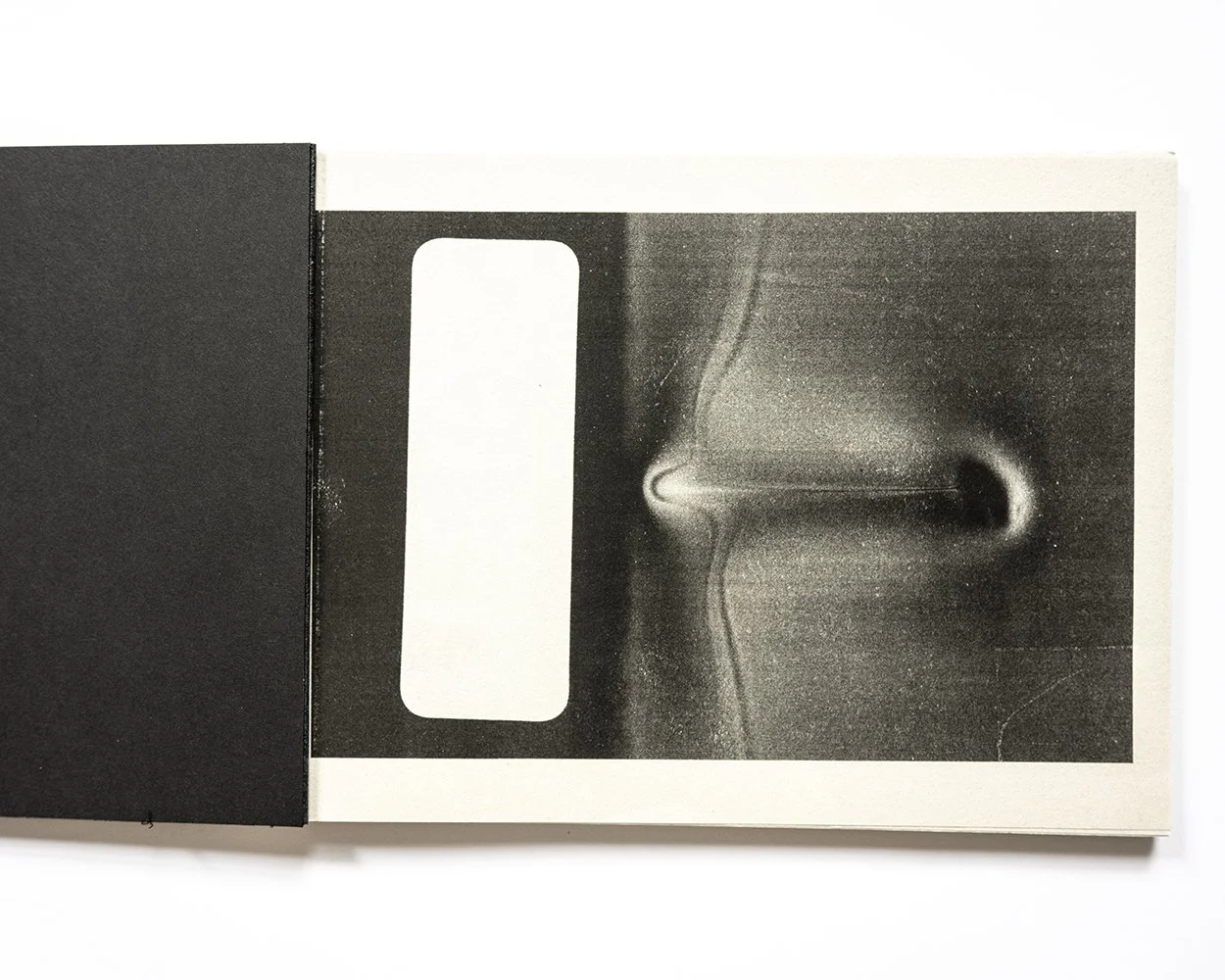
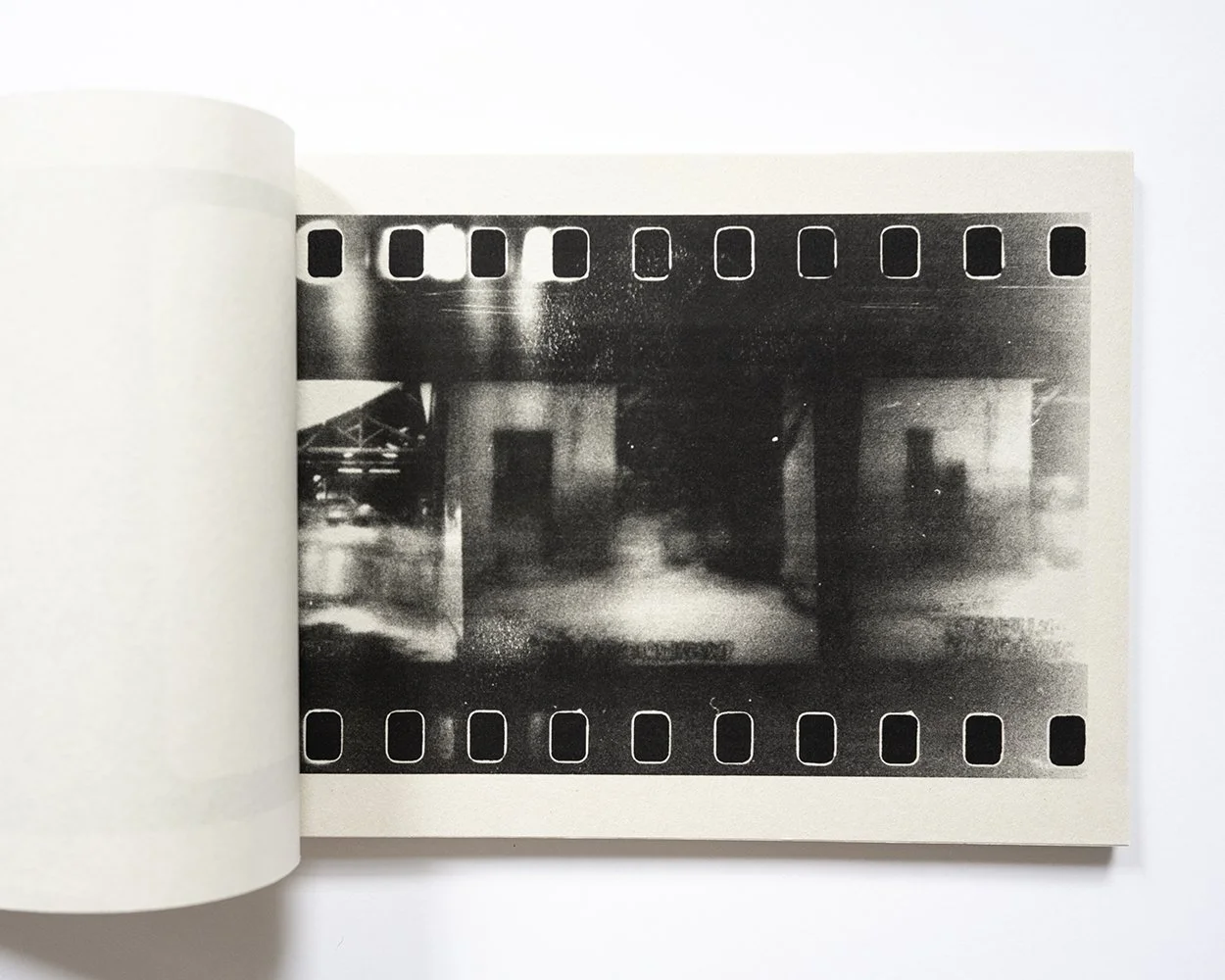
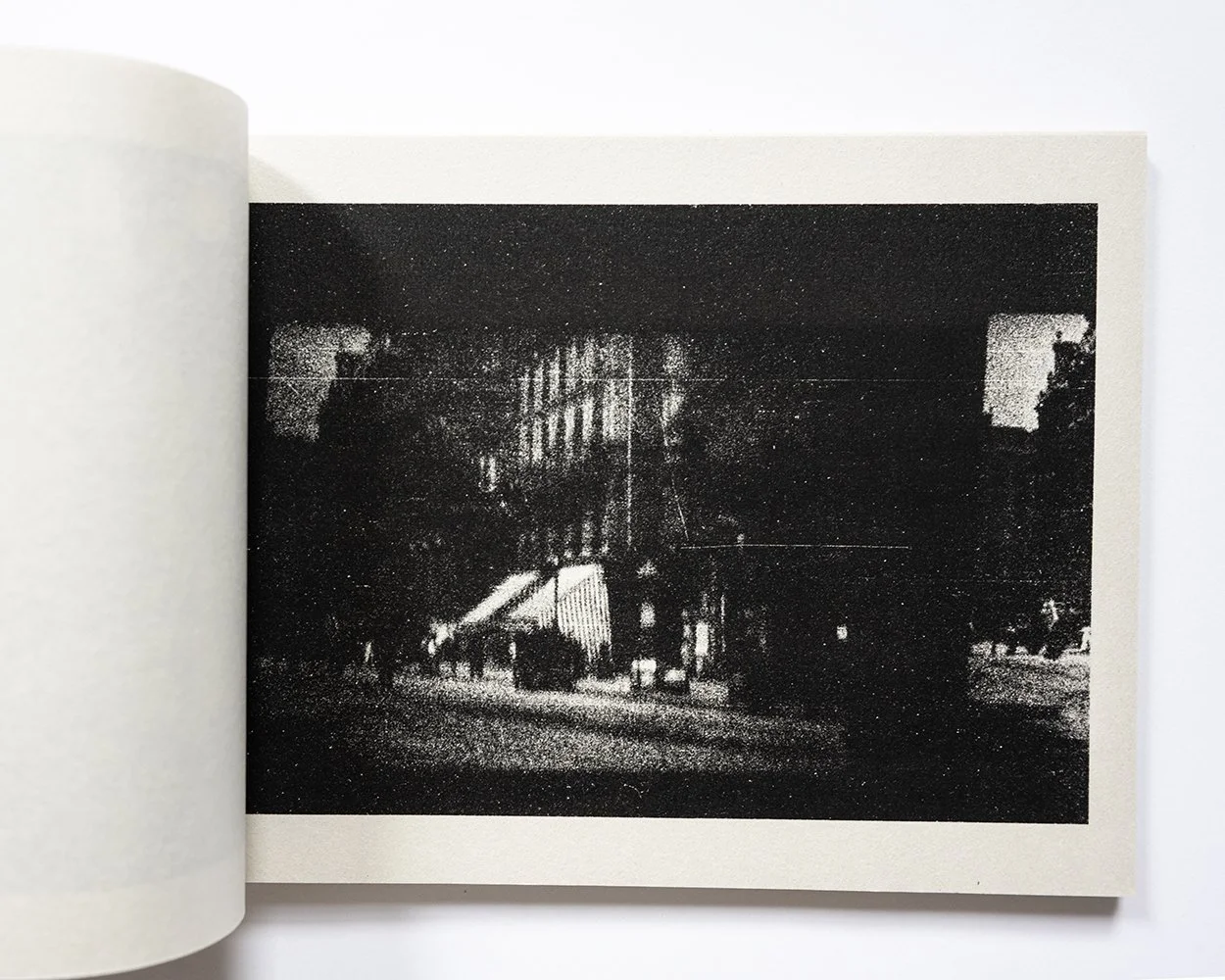
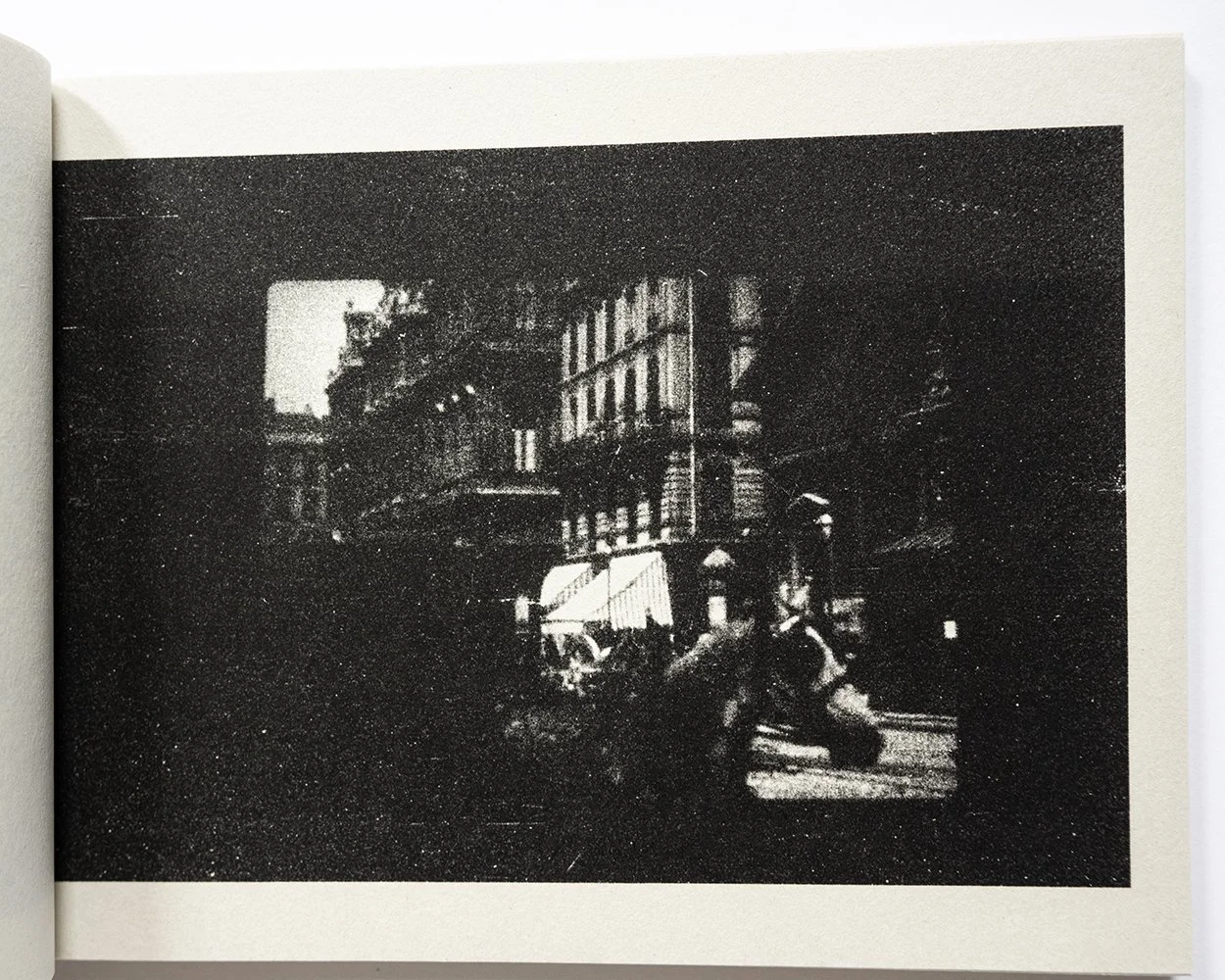
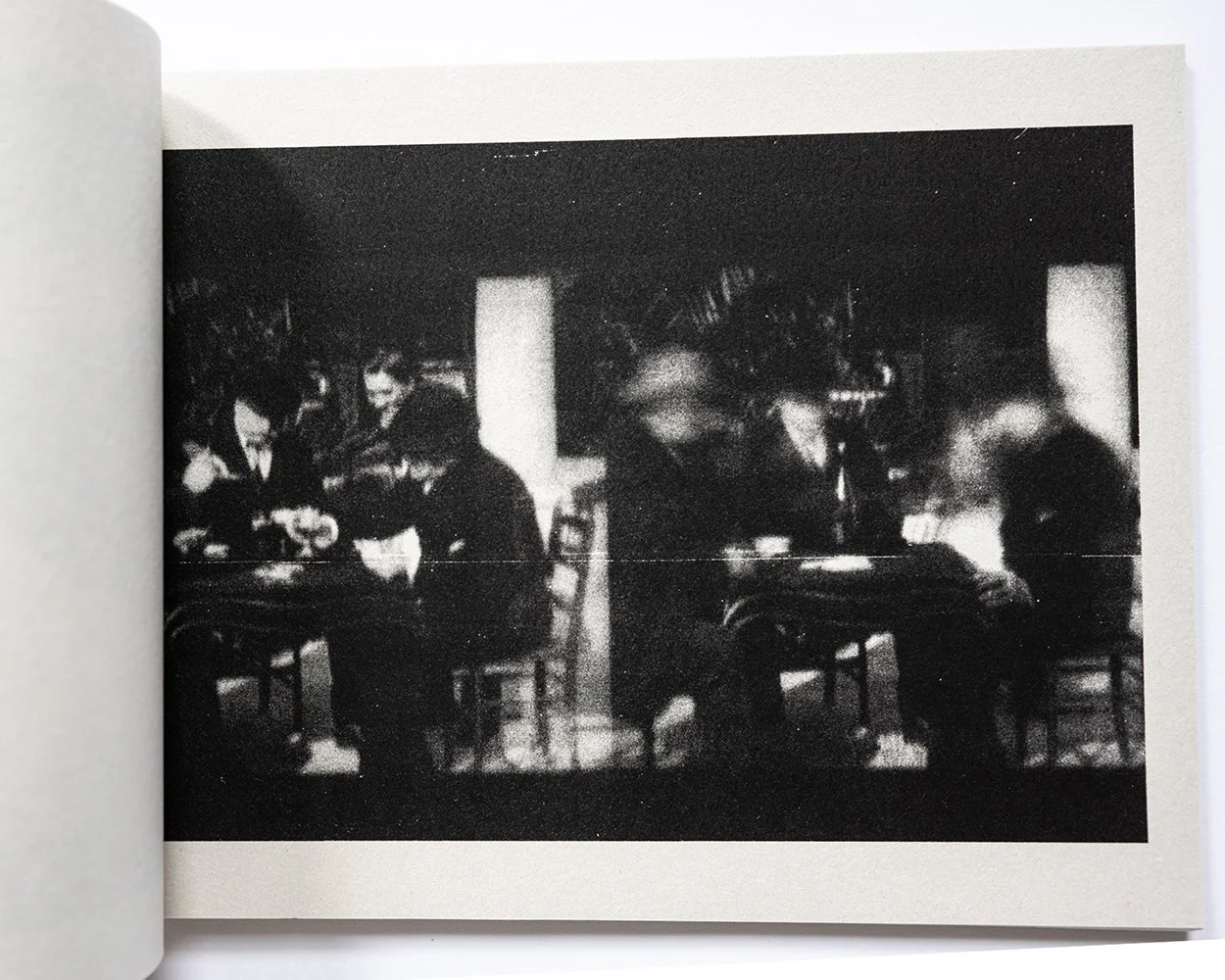
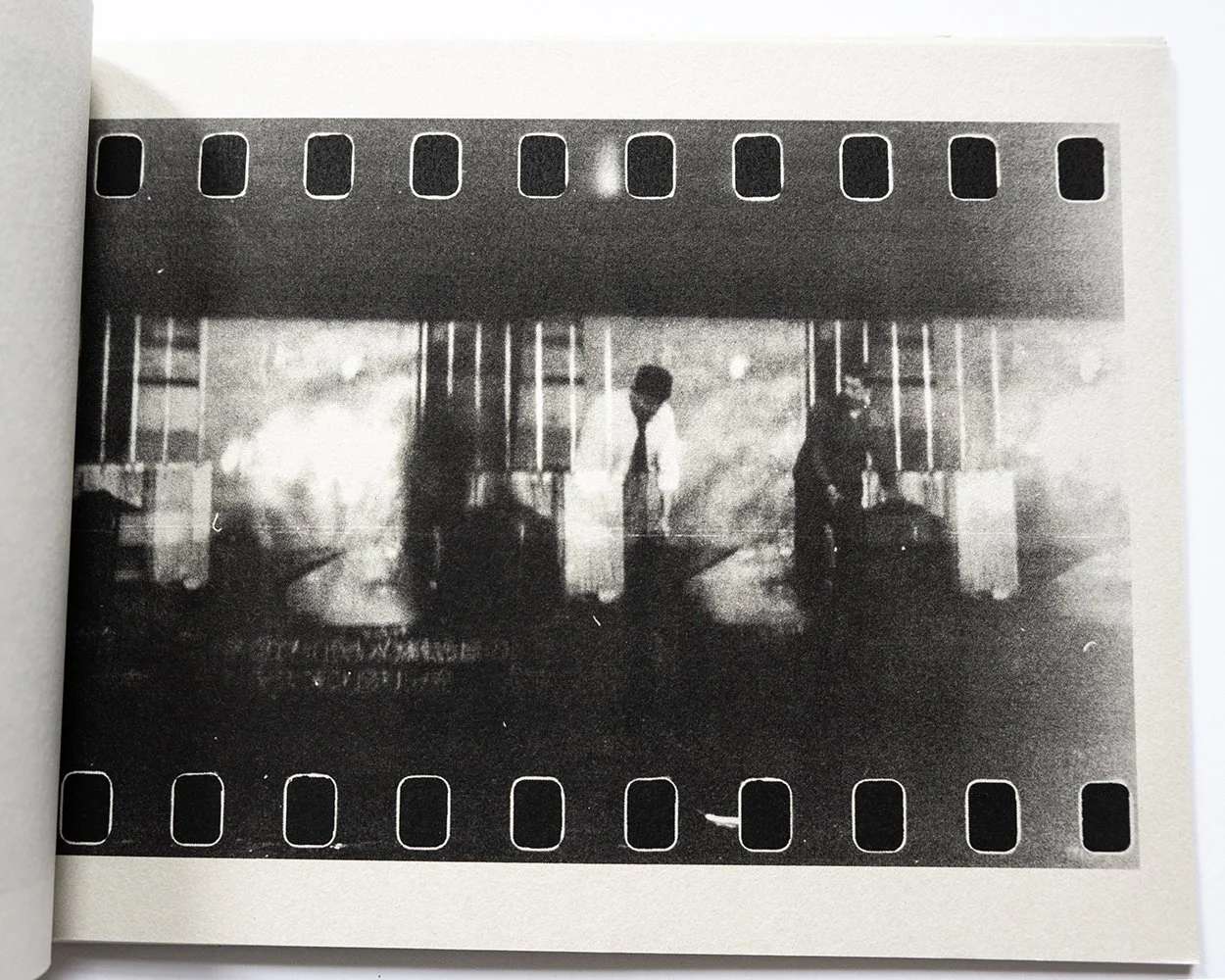
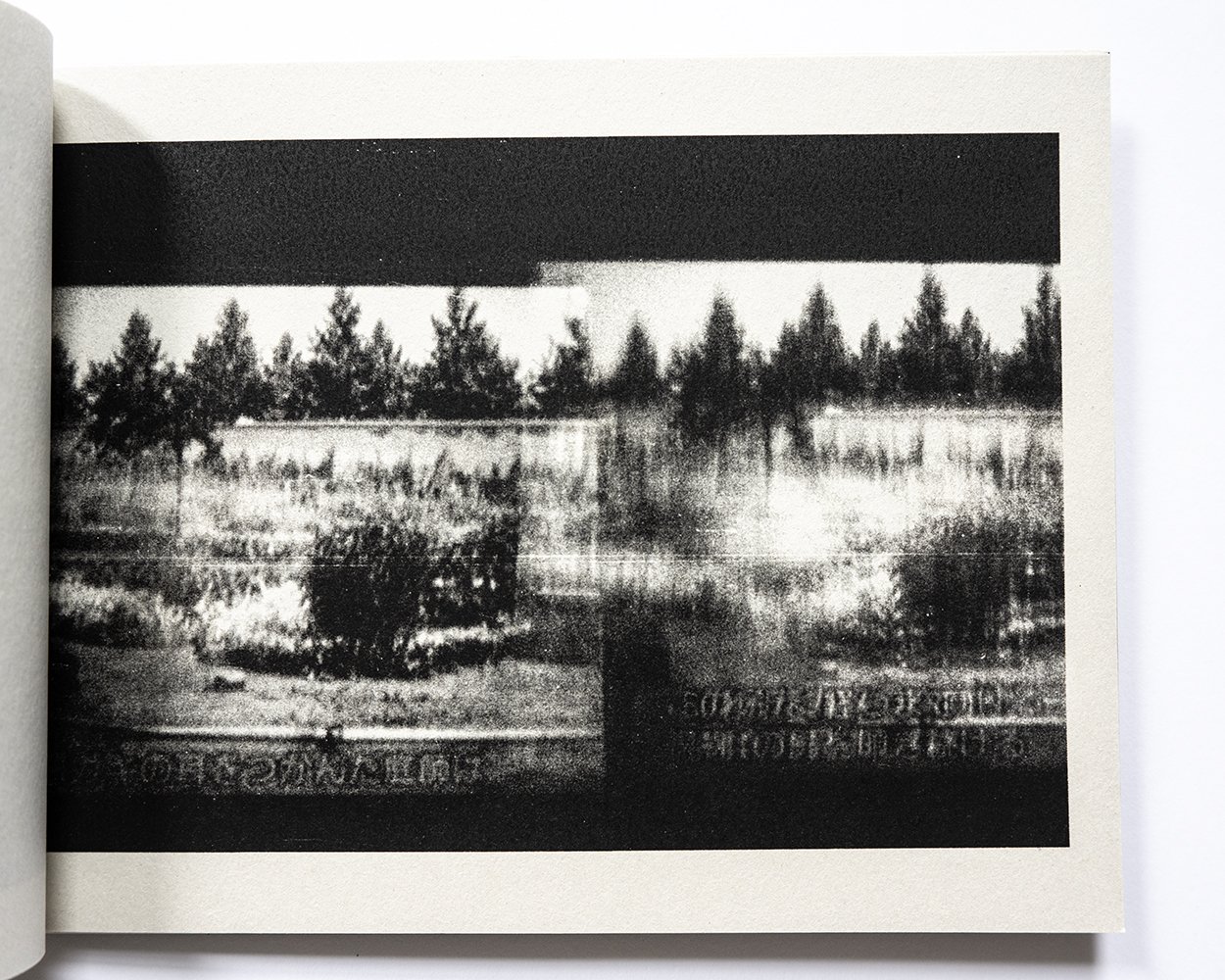
Osamu Kanemura’s Skeleton Goats Dust Storms brings together photographs made on the outskirts of Beijing in 2008, just before the Olympic Games, at the invitation of the late Etsuro Ishihara of Zeit-Foto Salon. Known for his focus on the dense visual noise of Tokyo, Kanemura turns here to a different kind of terrain—eschewing the polished, forward-looking image of Beijing to seek out landscapes left in the wake of rapid development: desolate, contaminated, and in ruins, yet curiously compelling.
Working in black and white, Kanemura suggests an “after” landscape—after romance, after the protagonist, after humanity itself.
“By faithfully following the camera’s function, photography flattens the richness of reality. Photography fundamentally aims to tear through the human visual mechanism that creates landscapes and expose the nakedness of things themselves. However, in doing so photography kills the landscape. And once the landscape is dead—what kind of vision will appear in its place?”
—Osamu Kanemura, afterword
In addition to Kanemura’s own text, the publication includes an essay by art critic Gen Umezu.
Publisher: Indigo
Book Design: Satoshi Suzuki
Texts: Osamu Kanemura, Gen Umezu
Translation: Rumiko Hagiwara
Size: 305 × 228 mm
Pages: 112 (47 images)
Binding: Hardcover
Publication Year: 2026
Language: English / Japanese
Edition: Limited to 500 copies
Osamu Kanemura’s Skeleton Goats Dust Storms brings together photographs made on the outskirts of Beijing in 2008, just before the Olympic Games, at the invitation of the late Etsuro Ishihara of Zeit-Foto Salon. Known for his focus on the dense visual noise of Tokyo, Kanemura turns here to a different kind of terrain—eschewing the polished, forward-looking image of Beijing to seek out landscapes left in the wake of rapid development: desolate, contaminated, and in ruins, yet curiously compelling.
Working in black and white, Kanemura suggests an “after” landscape—after romance, after the protagonist, after humanity itself.
“By faithfully following the camera’s function, photography flattens the richness of reality. Photography fundamentally aims to tear through the human visual mechanism that creates landscapes and expose the nakedness of things themselves. However, in doing so photography kills the landscape. And once the landscape is dead—what kind of vision will appear in its place?”
—Osamu Kanemura, afterword
In addition to Kanemura’s own text, the publication includes an essay by art critic Gen Umezu.


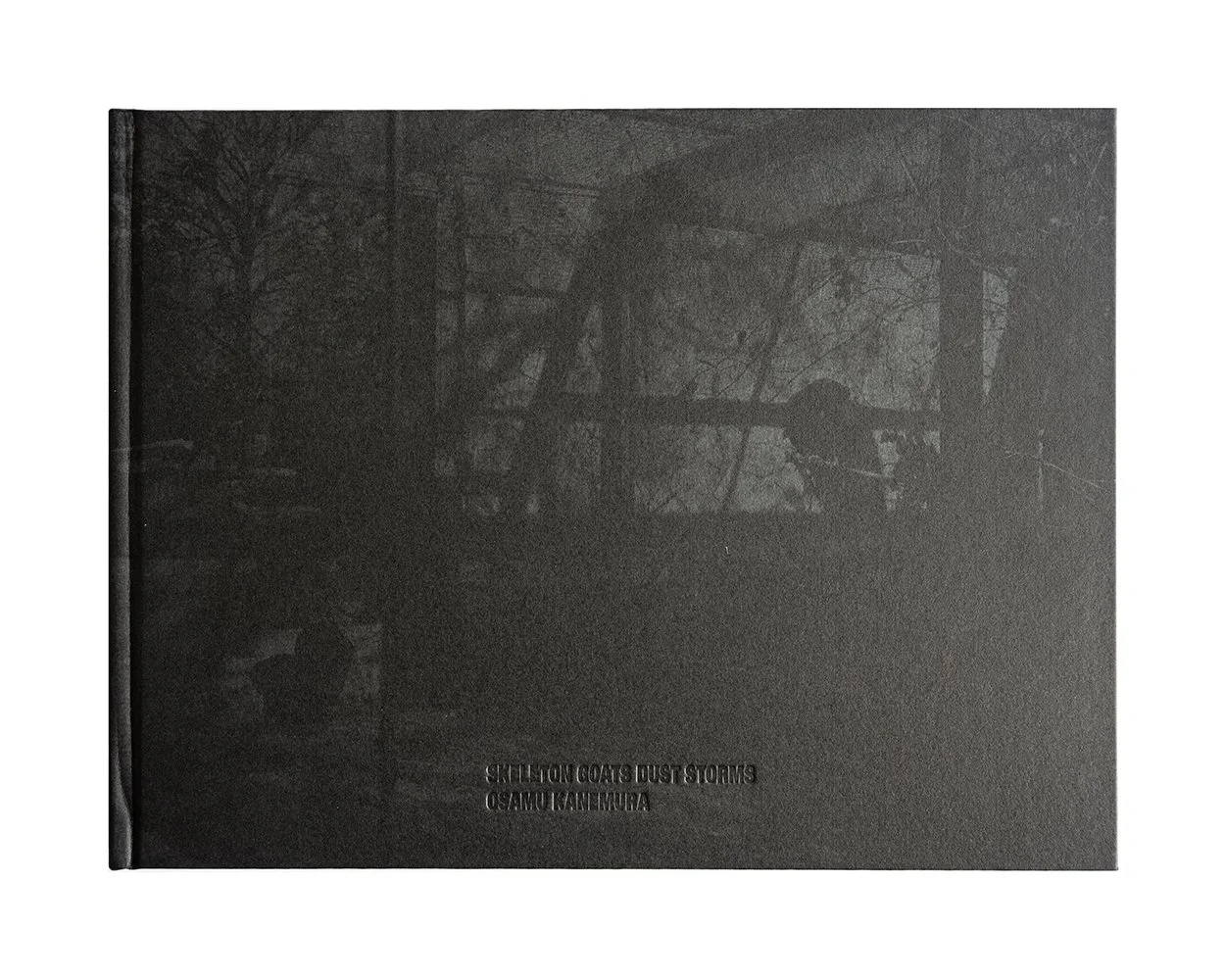 Image 1 of 9
 Image 2 of 9
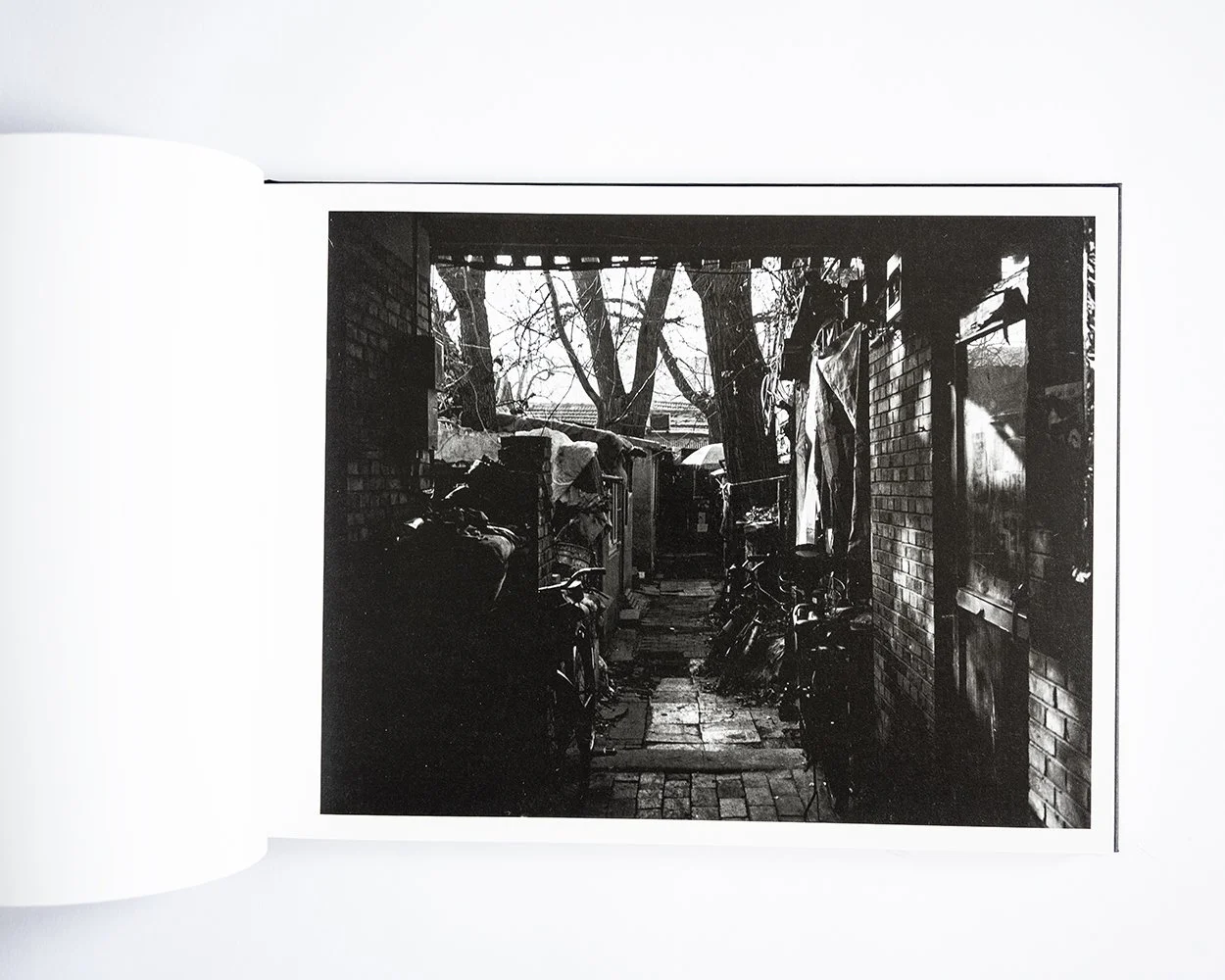 Image 3 of 9
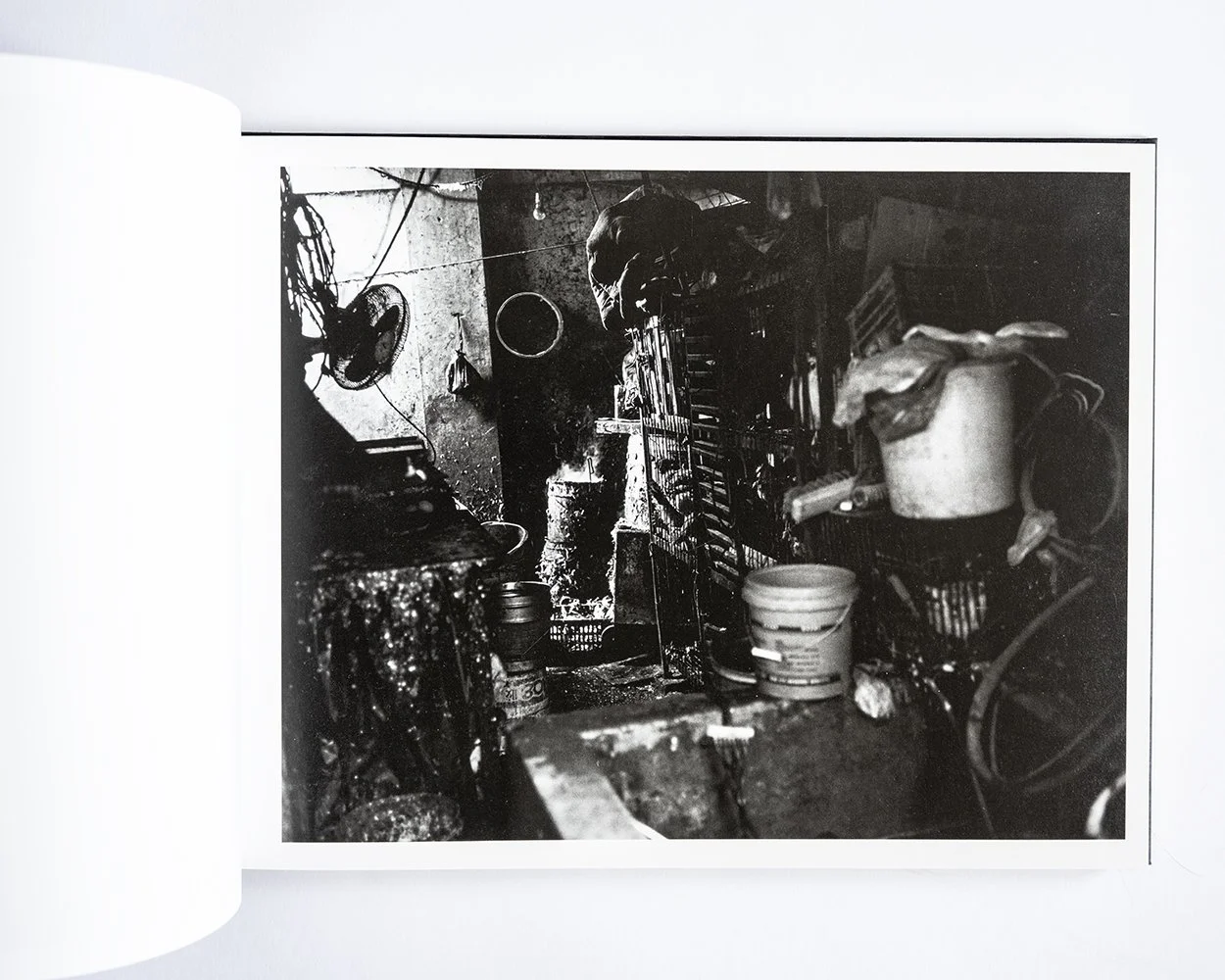 Image 4 of 9
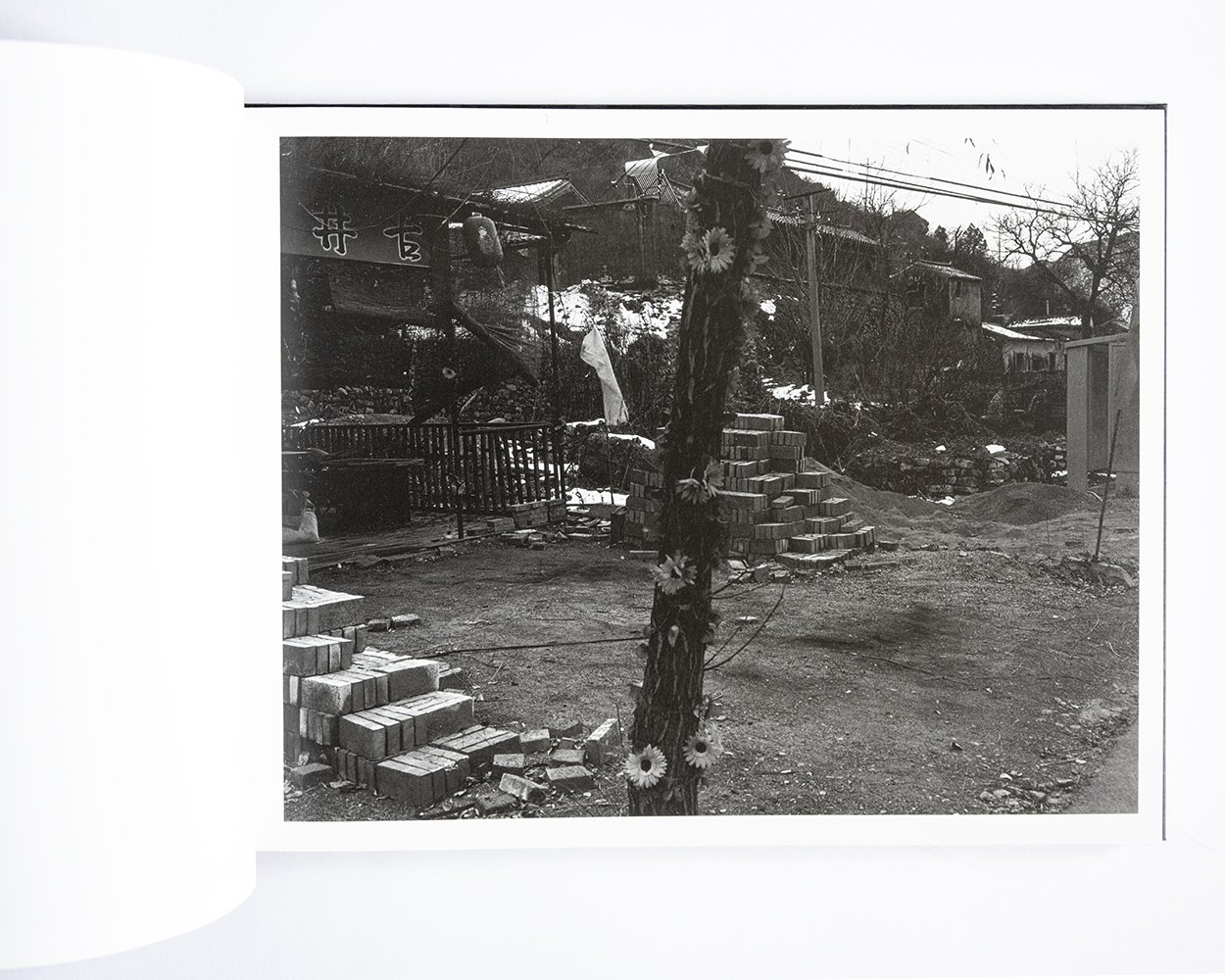 Image 5 of 9
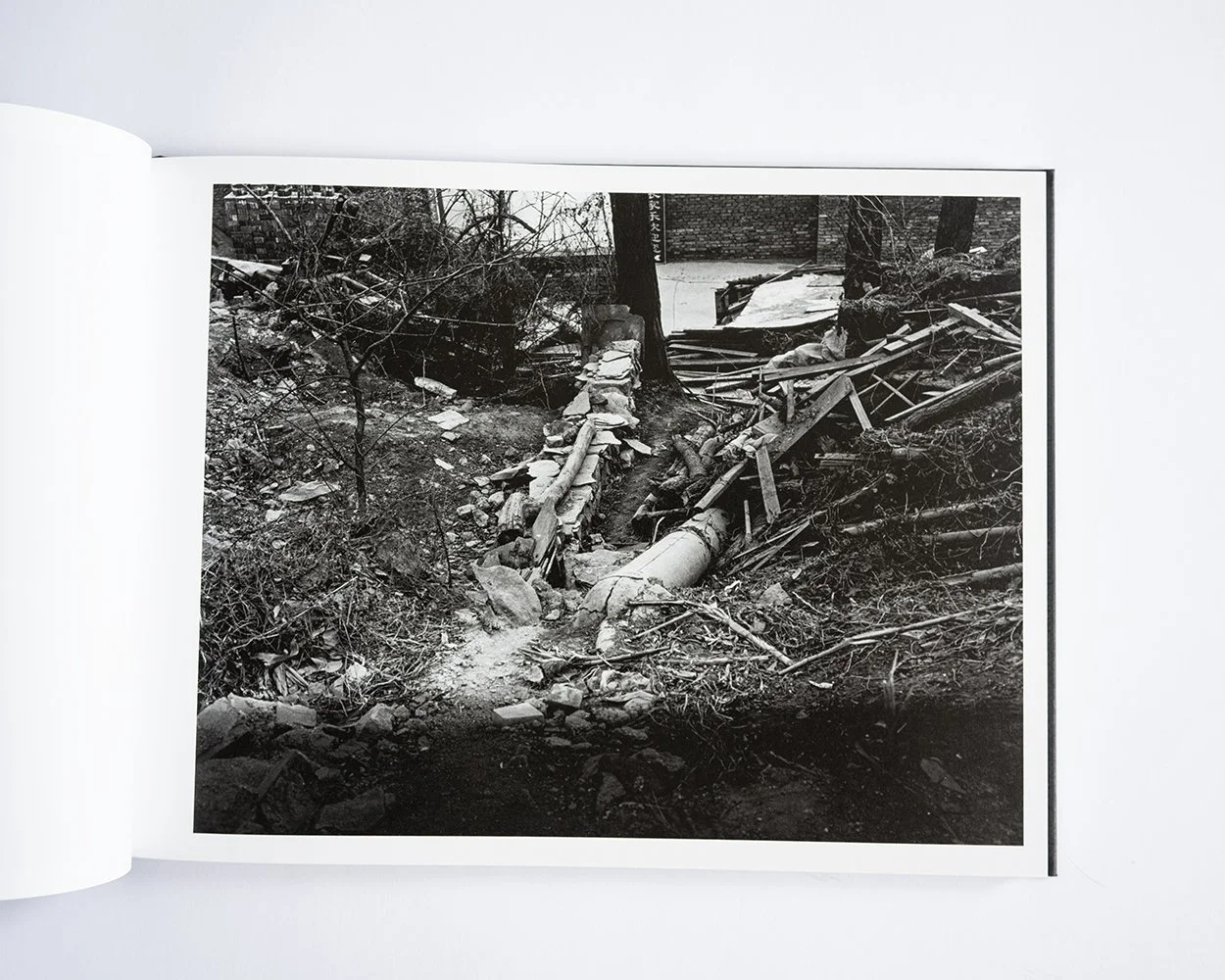 Image 6 of 9
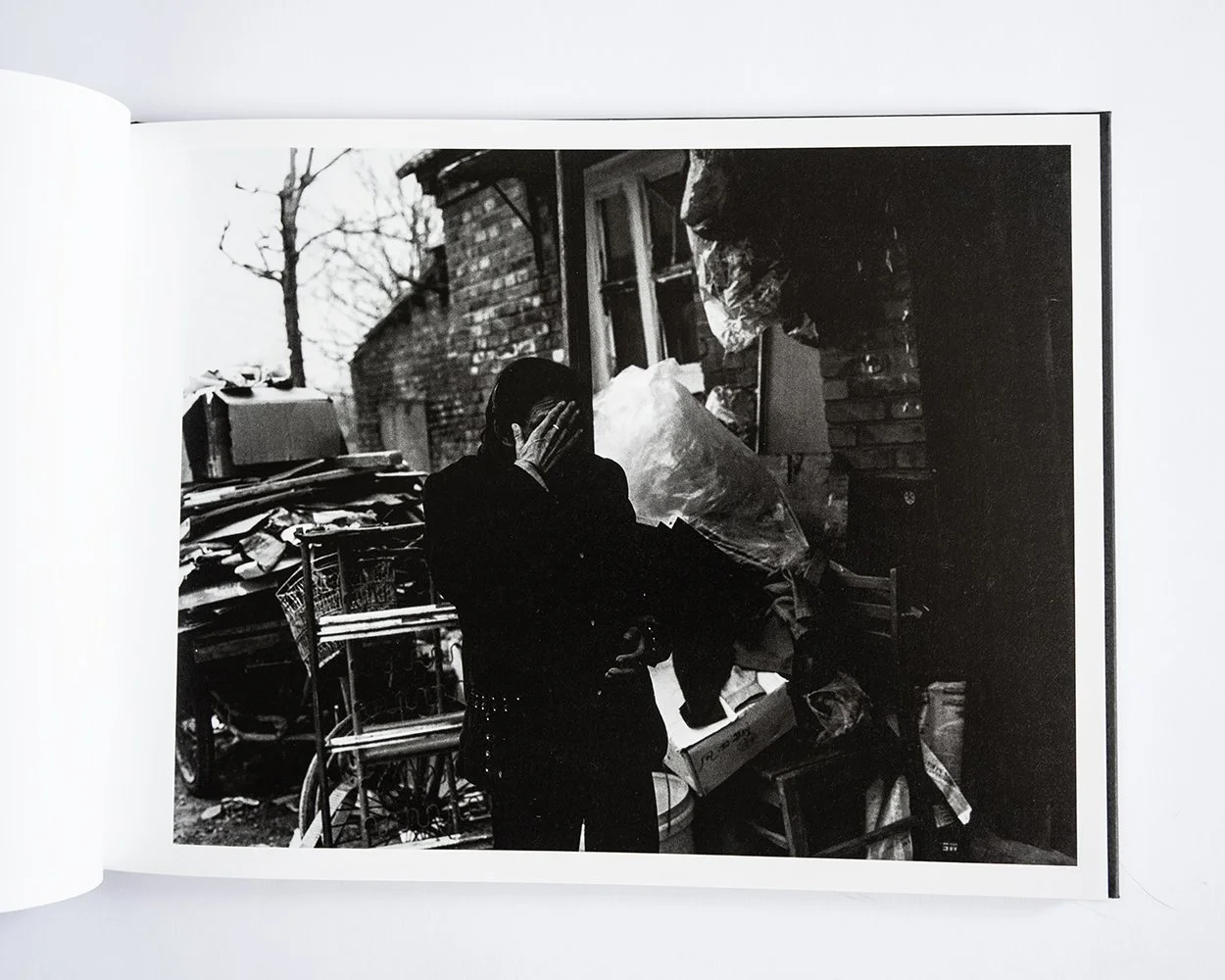 Image 7 of 9
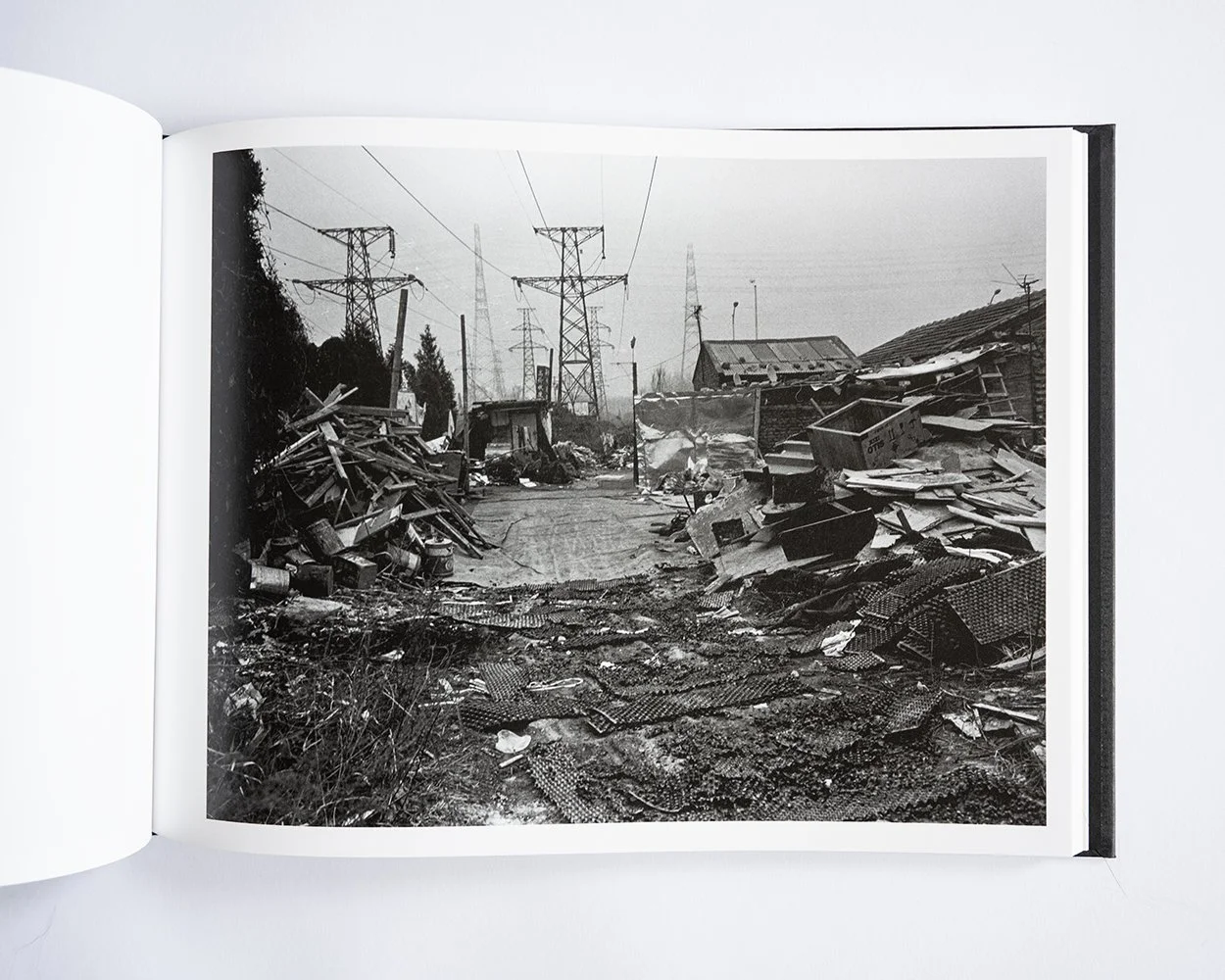 Image 8 of 9
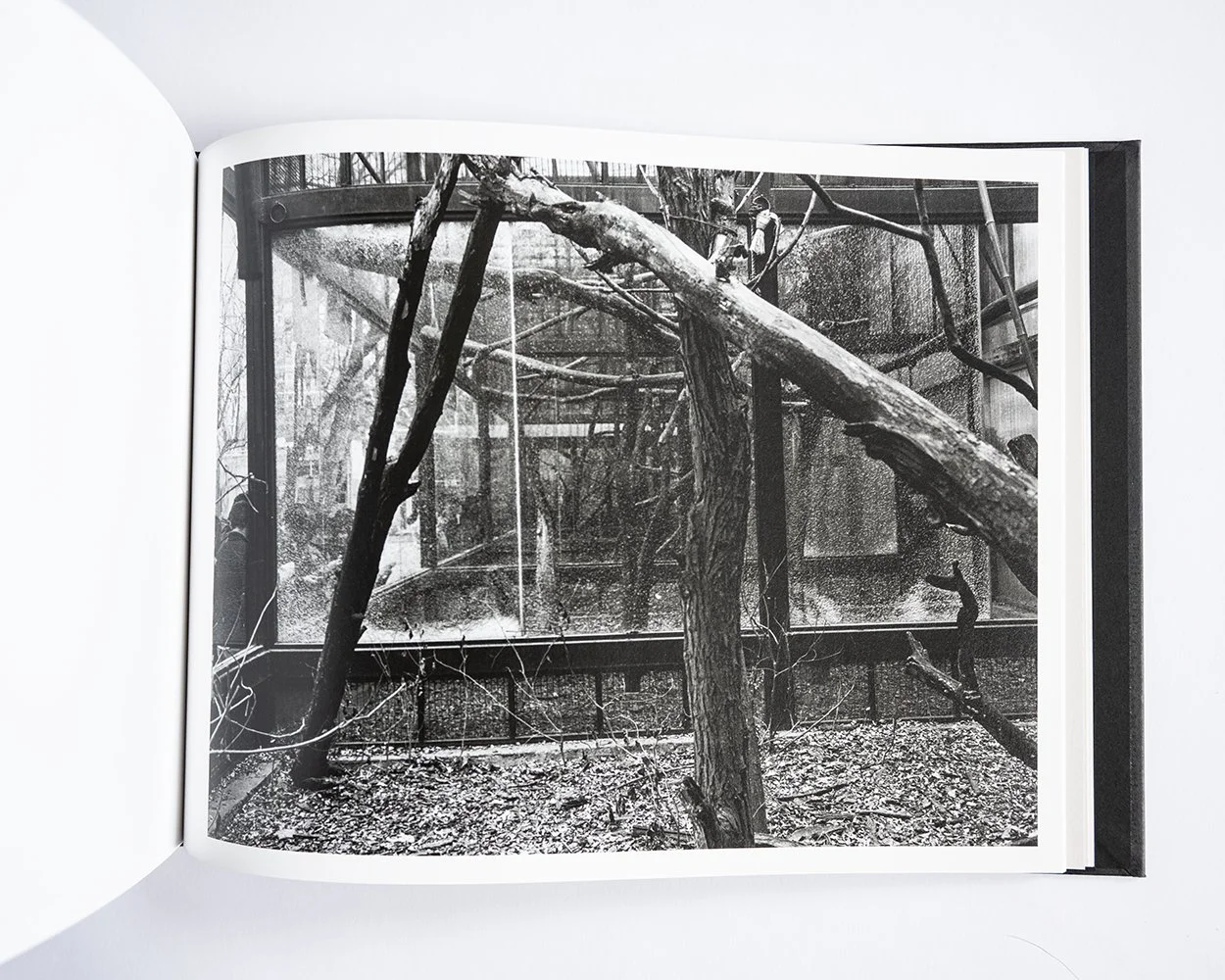 Image 9 of 9