Photographs: Nicolas Mirzayantz
Sequencing: Elisa Medde and Nicolas Mirzayantz
Design: Ioannis Markakis
Binding: Ioanna Raisaki, Athens
Dimensions: 22 × 27.5 cm
Pages: 104
Edition: 30 numbered and signed copies
Published: Athens, 2026
Hand-sewn with yellow thread using a technique found in several Byzantine manuscripts in the library
In Harbour of the Soul, Nicolas Mirzayantz enters a thousand-year-old library and encounters objects that have survived the passage of centuries. After thirty-four years working with scent, a medium that is invisible, temporal, and impossible to hold onto, he turns his attention to manuscripts whose parchment, bindings, stains, illuminations, and marks carry the physical evidence of hands and time.
Mirzayantz cannot read the manuscripts, and this distance becomes important. He approaches them not primarily through language, but through their material presence. Photography becomes another form of reading: looking closely at what remains and at the traces left by those who came before.
But Harbour of the Soul is not simply a book about precious ancient objects. Mirzayantz also photographs the rooms, shelves, keys, windows, equipment, and contemporary working environment of the library. The past exists beside the present, and the library becomes not only a repository of knowledge but a system built to protect fragile things against time.
For all its attention to history, the work feels strangely contemporary, even dystopian. At moments, the photographs suggest a world after some unnamed catastrophe, as if someone surviving the destruction of civilization had discovered this library and was trying to understand, through the objects left behind, what kind of world had once existed. The manuscripts cease to be merely historical artifacts. They become evidence.
The title Harbour of the Soul deepens this sense of refuge. ΨΥΧΗΣ ΙΑΤΡΕΙΟΝ can be understood more literally as a “healing place” or “medicine for the soul,” while harbour introduces another idea: a place of protection, but also of arrival and departure.
The book itself continues this relationship between survival and disappearance. Its blue cloth, gold lettering, marbled papers, and Byzantine-style hand-sewn binding give physical form to the act of preservation. A contemporary book about ancient books, Harbour of the Soul asks a simple but enduring question: what can an image preserve, and what will always remain beyond its reach?
About Nicolas Mirzayantz
Nicolas Mirzayantz is a French photographer based in Athens, Greece. Born in Marseille, he began photographing while working at the French Embassy in Managua, Nicaragua (1986–1987), where the camera became a means of bearing witness during a time of war. His work from that period was exhibited in Nicaragua, traveled to Venezuela, Colombia, and Argentina, and was shown in London.
For thirty-four years, he worked with what disappears: scent, taste, and the invisible senses. He led fragrance creation at International Flavors & Fragrances (IFF) in Paris and New York, collaborating with artists such as Robert Wilson, with Visionaire’s Stephan Gan and Cecilia Dean on the Scent and Taste issues, and with major museums internationally.
Now he photographs what survives. Mirzayantz recently completed his MFA in Photography at the University of Hartford. Work developed during the program was exhibited with his MFA cohort in Berlin and Hartford in 2026.
Photographs: Nicolas Mirzayantz
Sequencing: Elisa Medde and Nicolas Mirzayantz
Design: Ioannis Markakis
Binding: Ioanna Raisaki, Athens
Dimensions: 22 × 27.5 cm
Pages: 104
Edition: 30 numbered and signed copies
Published: Athens, 2026
Hand-sewn with yellow thread using a technique found in several Byzantine manuscripts in the library
In Harbour of the Soul, Nicolas Mirzayantz enters a thousand-year-old library and encounters objects that have survived the passage of centuries. After thirty-four years working with scent, a medium that is invisible, temporal, and impossible to hold onto, he turns his attention to manuscripts whose parchment, bindings, stains, illuminations, and marks carry the physical evidence of hands and time.
Mirzayantz cannot read the manuscripts, and this distance becomes important. He approaches them not primarily through language, but through their material presence. Photography becomes another form of reading: looking closely at what remains and at the traces left by those who came before.
But Harbour of the Soul is not simply a book about precious ancient objects. Mirzayantz also photographs the rooms, shelves, keys, windows, equipment, and contemporary working environment of the library. The past exists beside the present, and the library becomes not only a repository of knowledge but a system built to protect fragile things against time.
For all its attention to history, the work feels strangely contemporary, even dystopian. At moments, the photographs suggest a world after some unnamed catastrophe, as if someone surviving the destruction of civilization had discovered this library and was trying to understand, through the objects left behind, what kind of world had once existed. The manuscripts cease to be merely historical artifacts. They become evidence.
The title Harbour of the Soul deepens this sense of refuge. ΨΥΧΗΣ ΙΑΤΡΕΙΟΝ can be understood more literally as a “healing place” or “medicine for the soul,” while harbour introduces another idea: a place of protection, but also of arrival and departure.
The book itself continues this relationship between survival and disappearance. Its blue cloth, gold lettering, marbled papers, and Byzantine-style hand-sewn binding give physical form to the act of preservation. A contemporary book about ancient books, Harbour of the Soul asks a simple but enduring question: what can an image preserve, and what will always remain beyond its reach?
About Nicolas Mirzayantz
Nicolas Mirzayantz is a French photographer based in Athens, Greece. Born in Marseille, he began photographing while working at the French Embassy in Managua, Nicaragua (1986–1987), where the camera became a means of bearing witness during a time of war. His work from that period was exhibited in Nicaragua, traveled to Venezuela, Colombia, and Argentina, and was shown in London.
For thirty-four years, he worked with what disappears: scent, taste, and the invisible senses. He led fragrance creation at International Flavors & Fragrances (IFF) in Paris and New York, collaborating with artists such as Robert Wilson, with Visionaire’s Stephan Gan and Cecilia Dean on the Scent and Taste issues, and with major museums internationally.
Now he photographs what survives. Mirzayantz recently completed his MFA in Photography at the University of Hartford. Work developed during the program was exhibited with his MFA cohort in Berlin and Hartford in 2026.


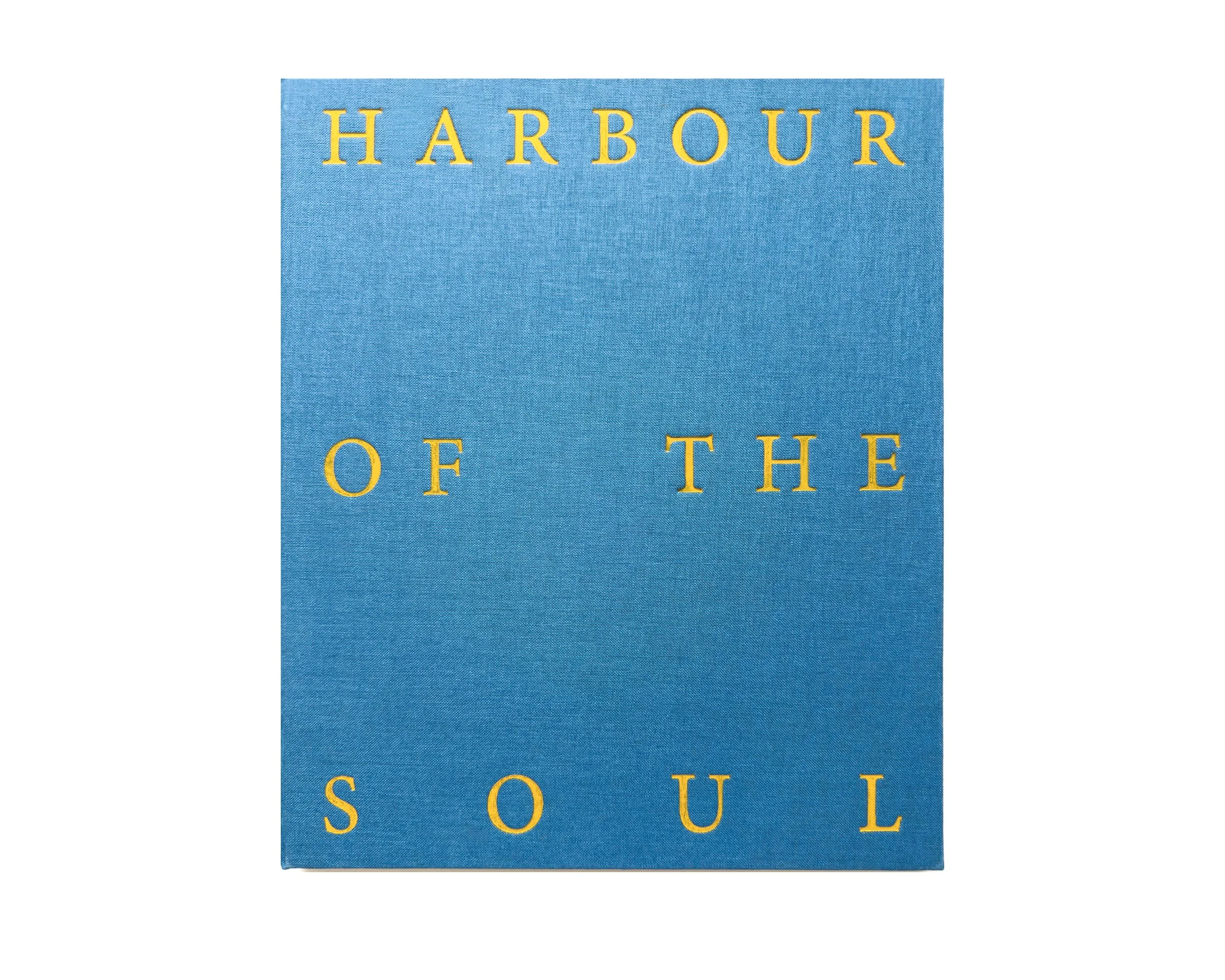 Image 1 of 15
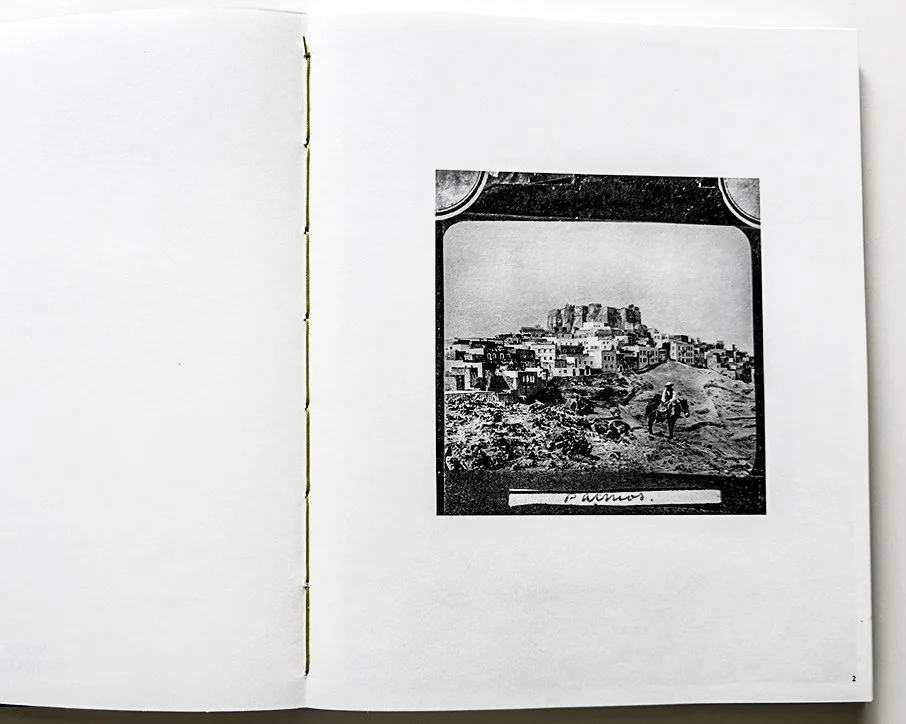 Image 2 of 15
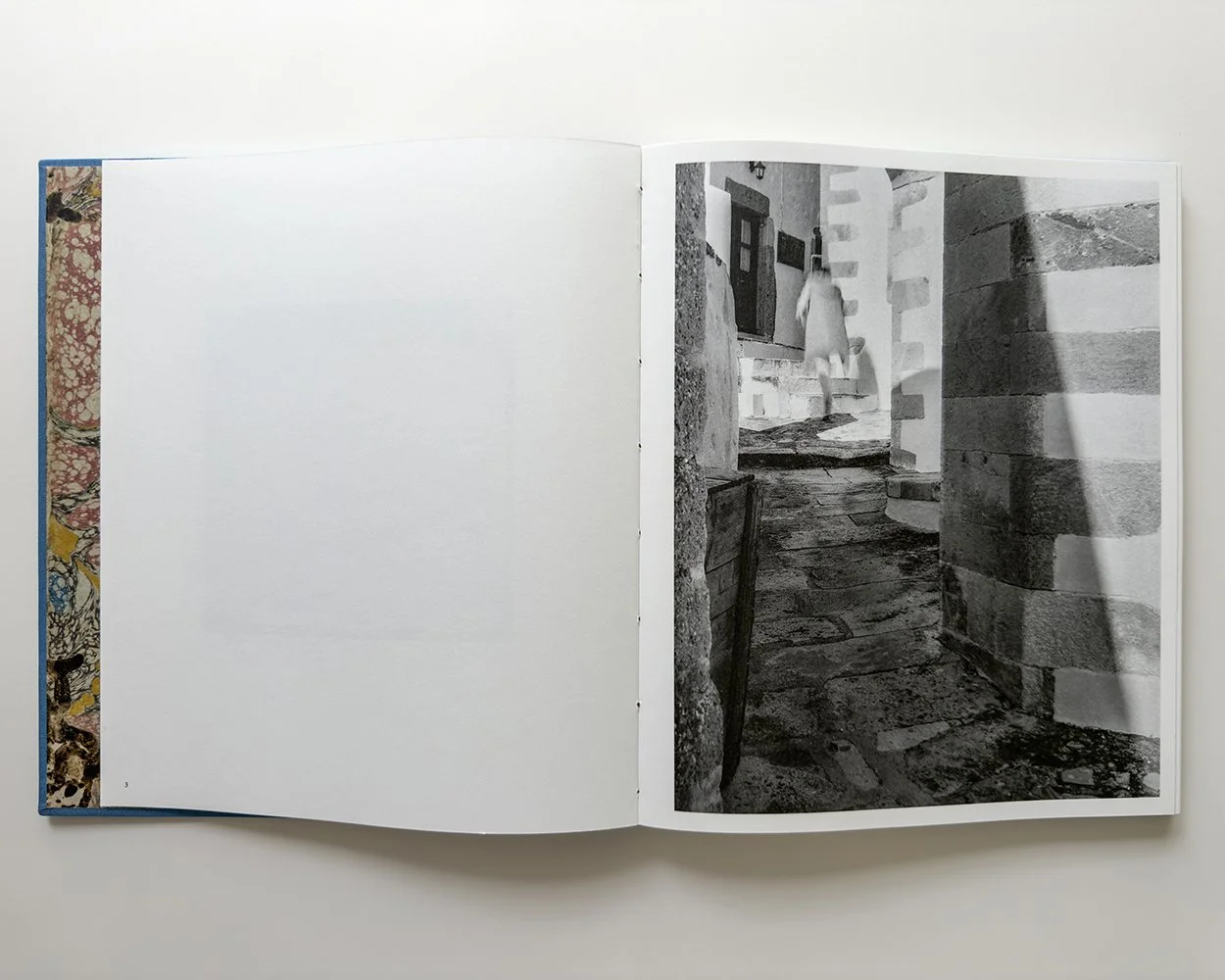 Image 3 of 15
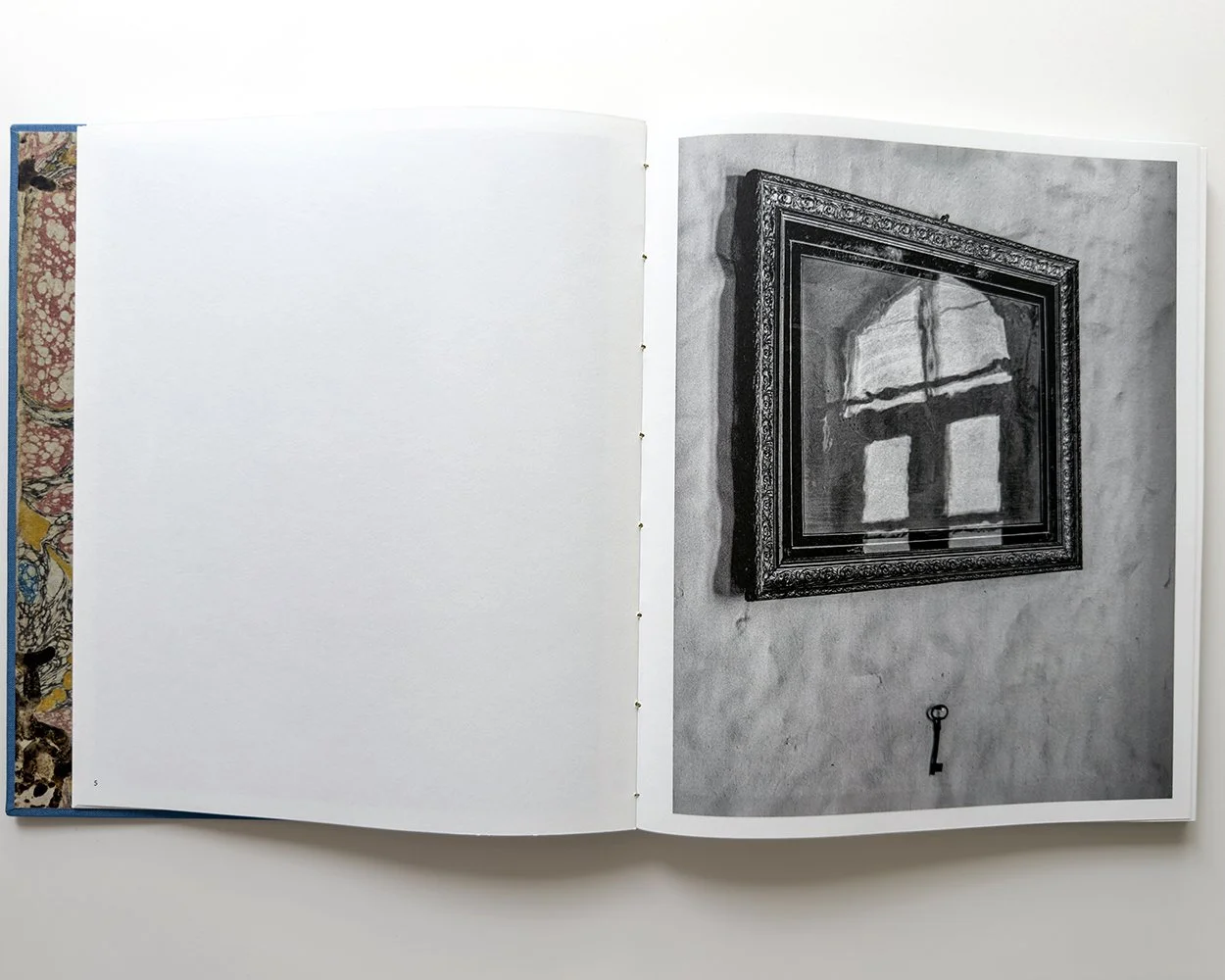 Image 4 of 15
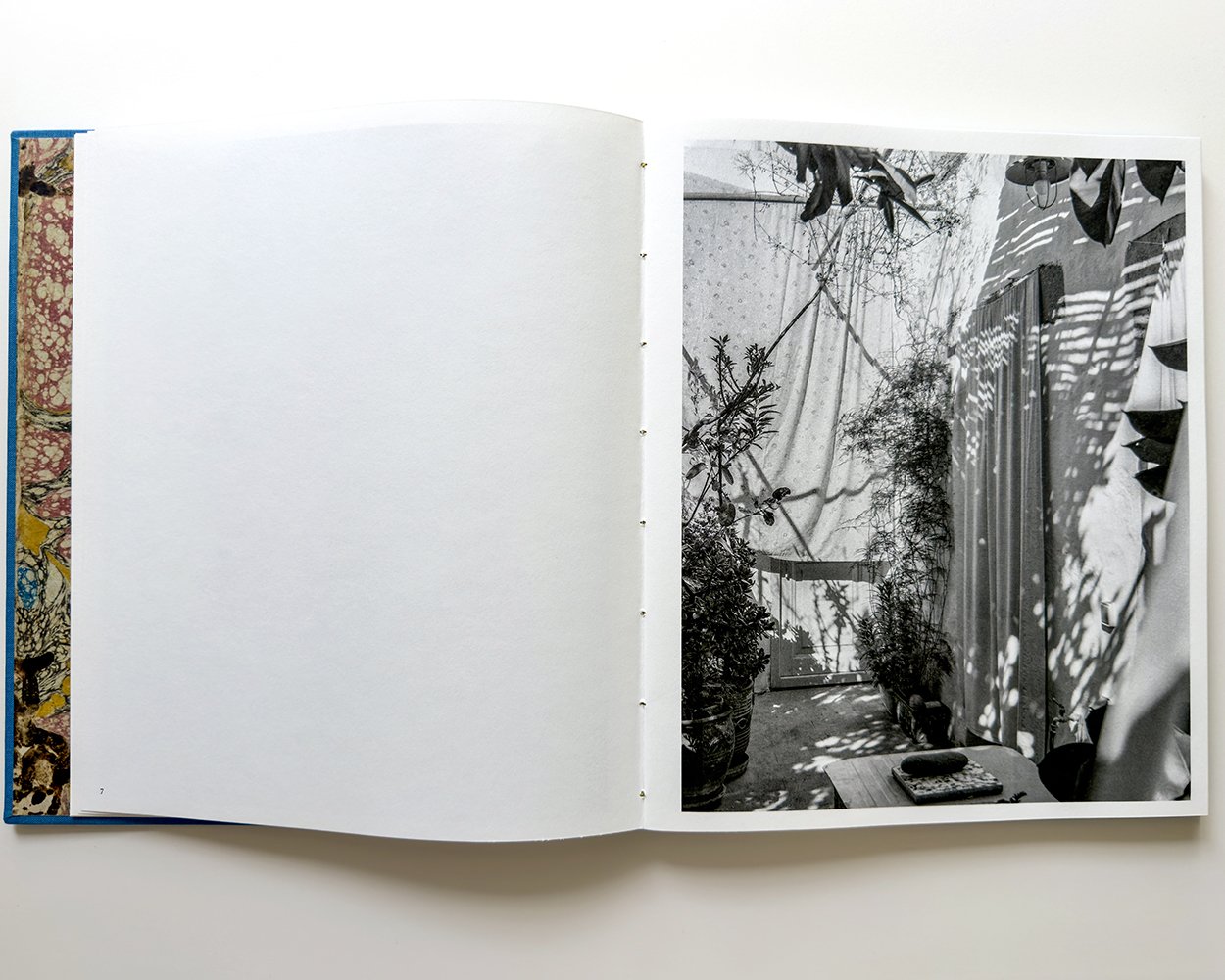 Image 5 of 15
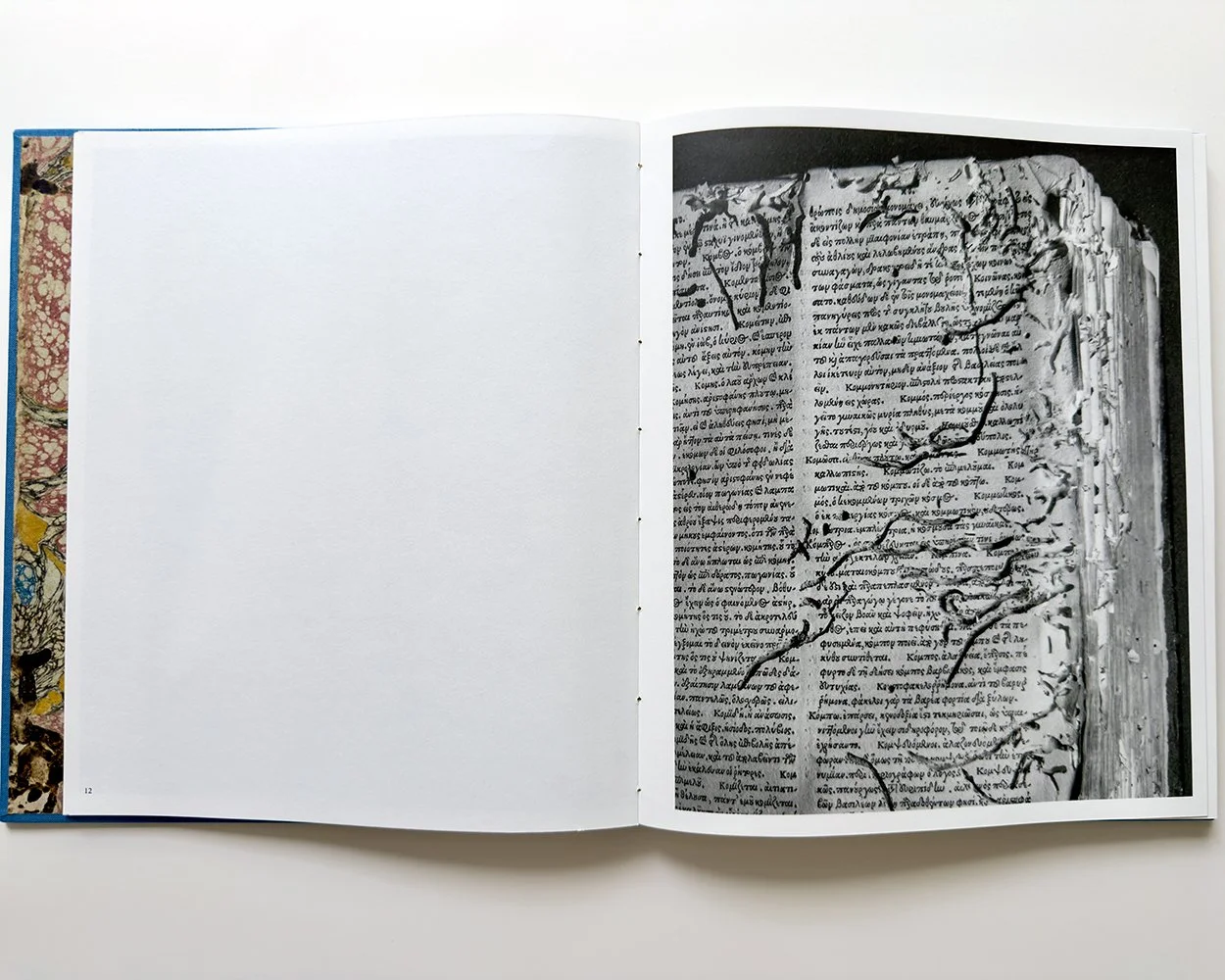 Image 6 of 15
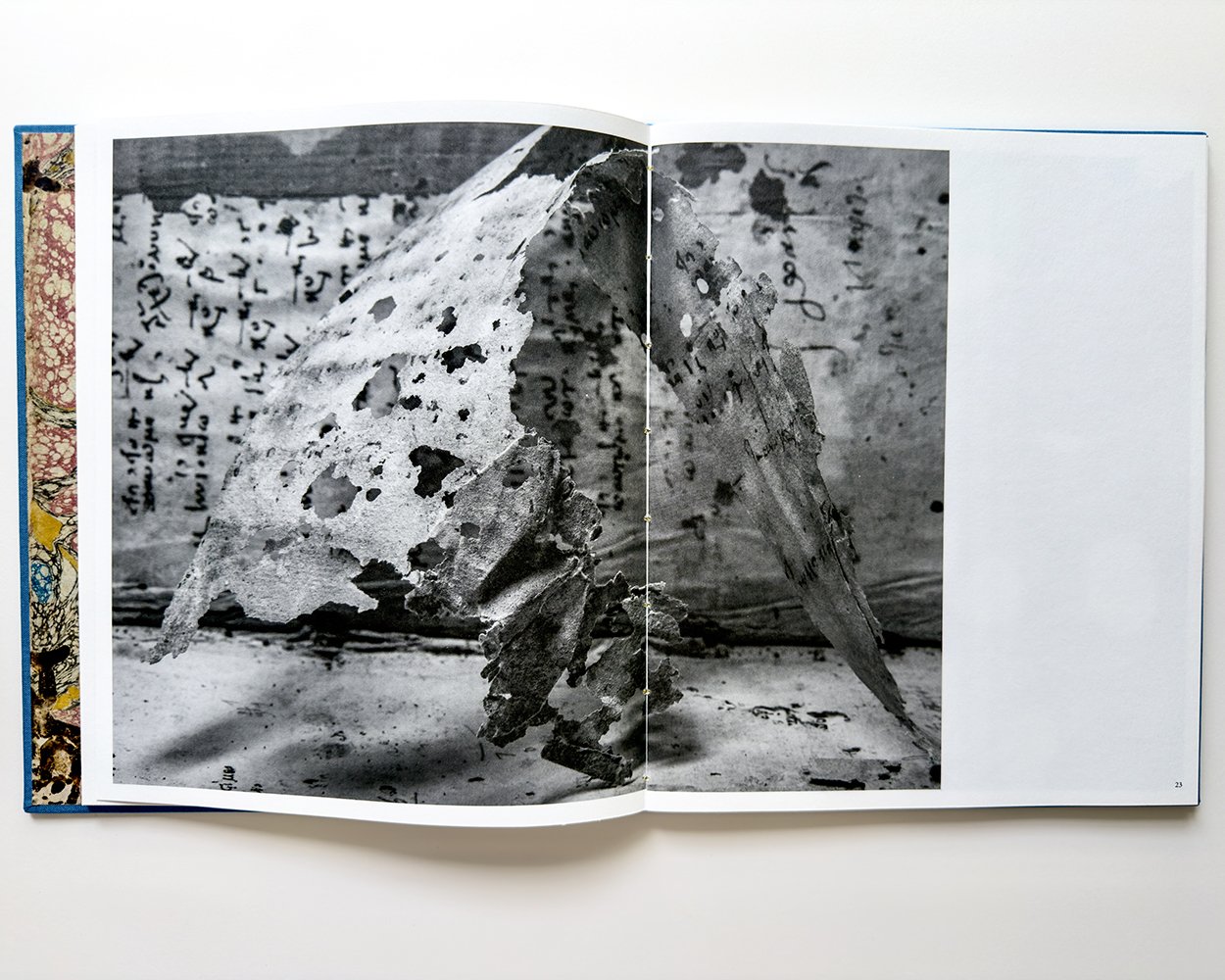 Image 7 of 15
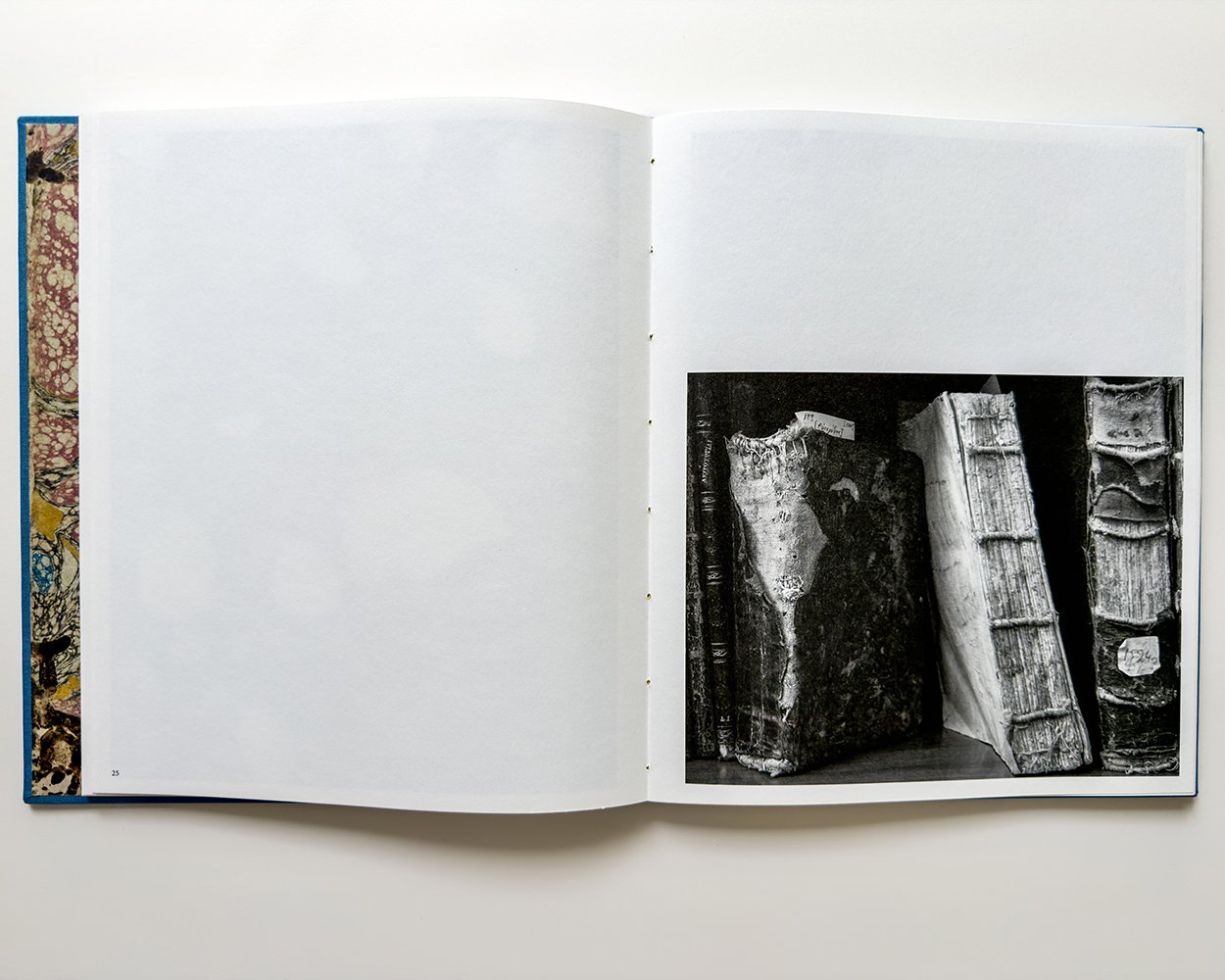 Image 8 of 15
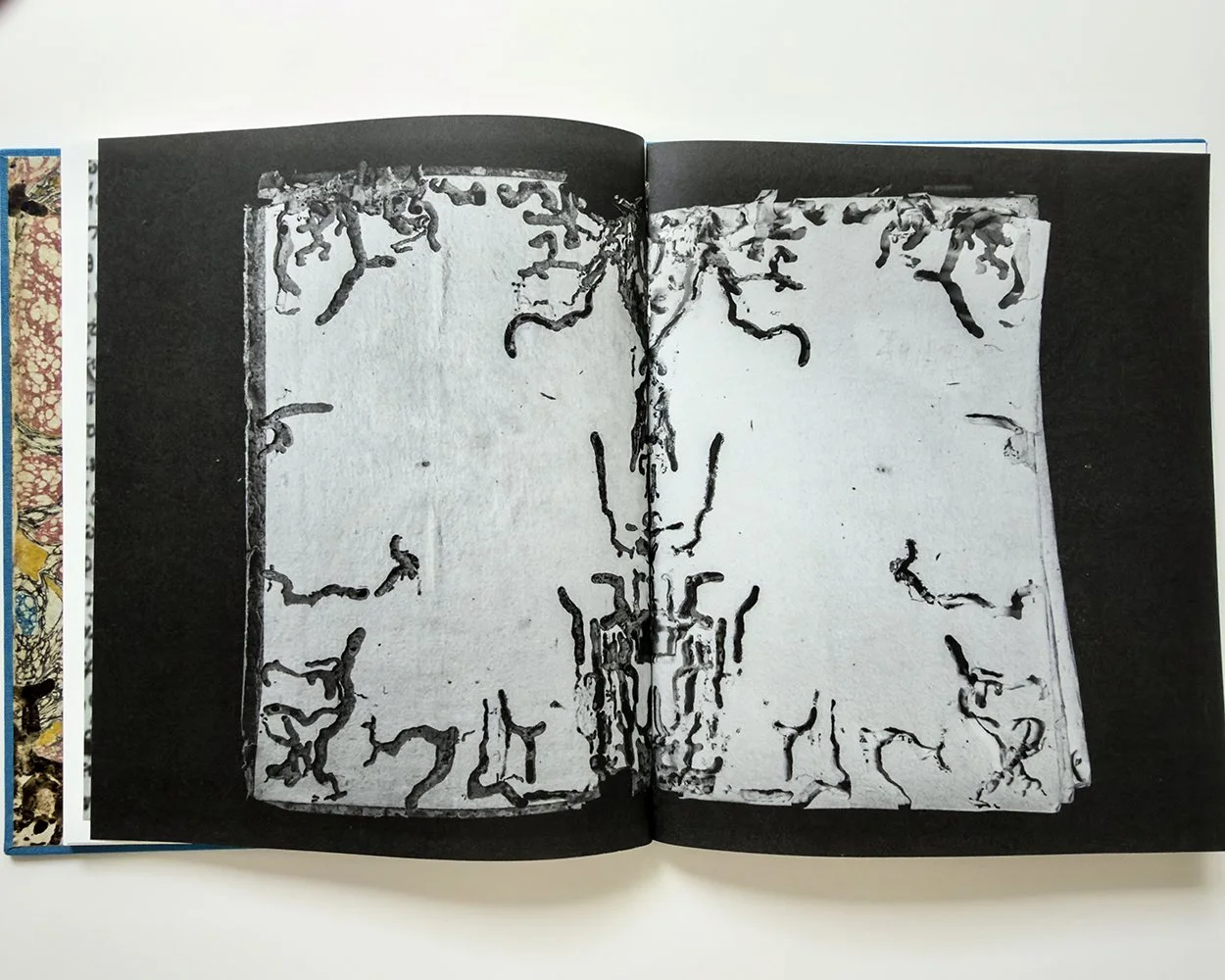 Image 9 of 15
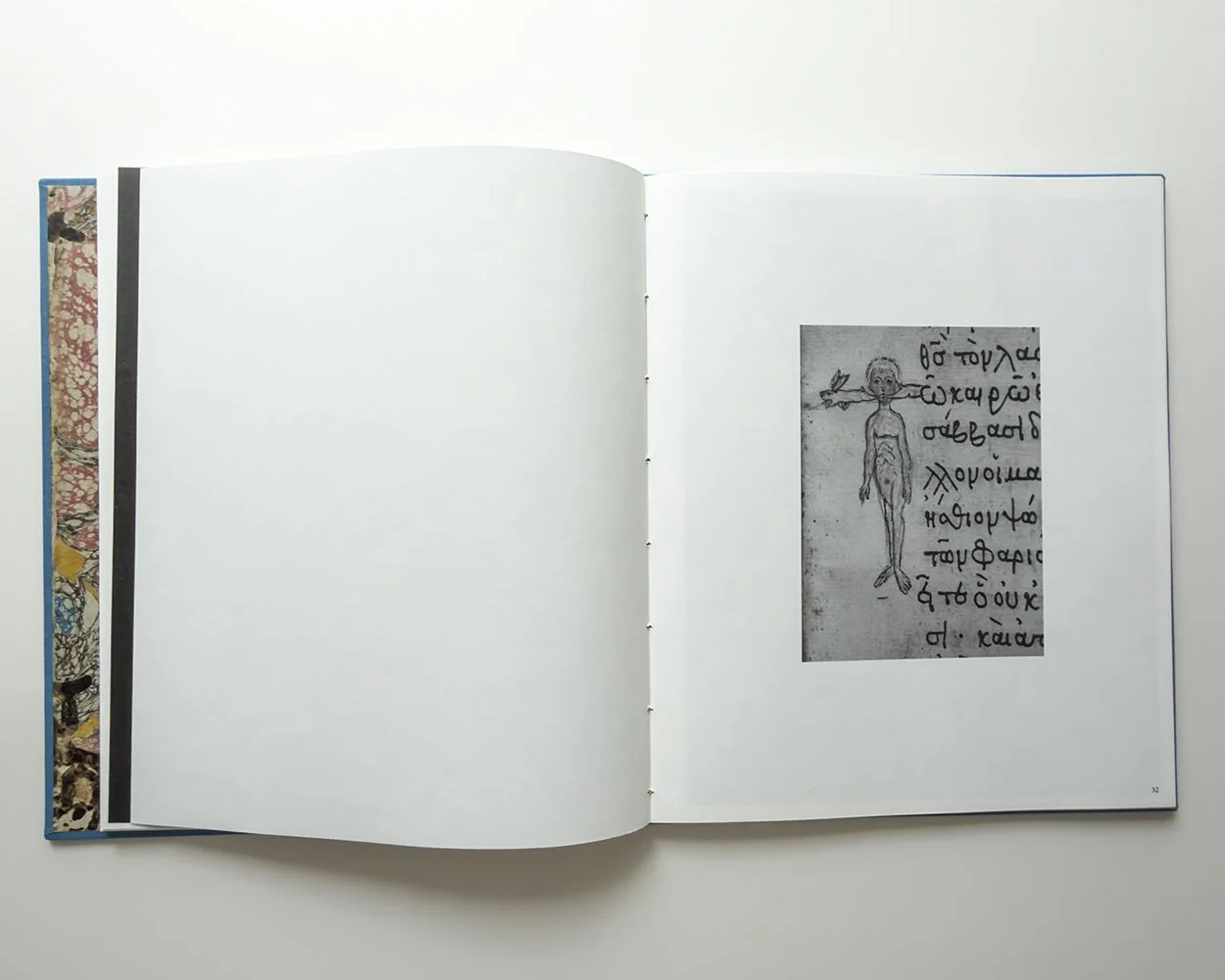 Image 10 of 15
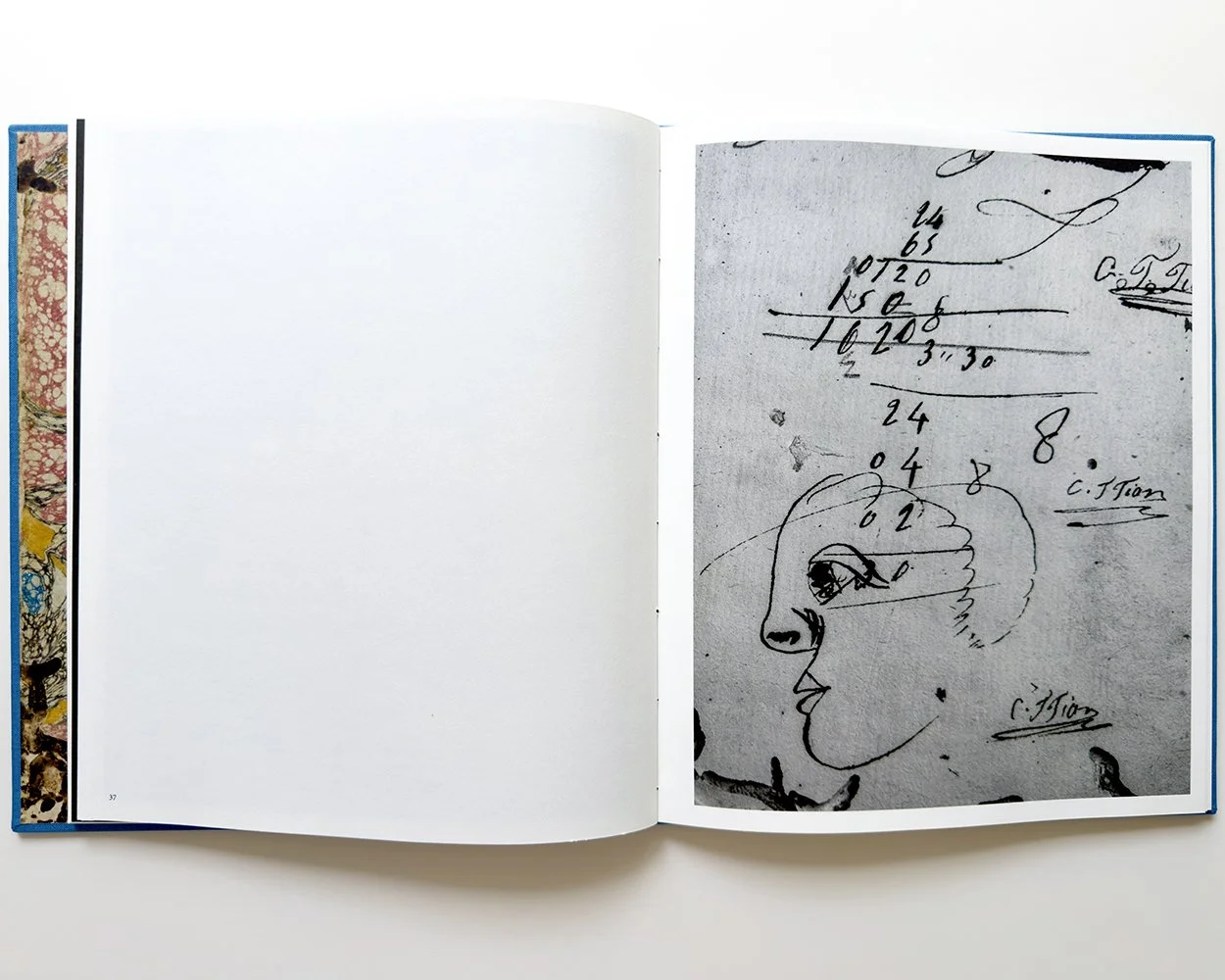 Image 11 of 15
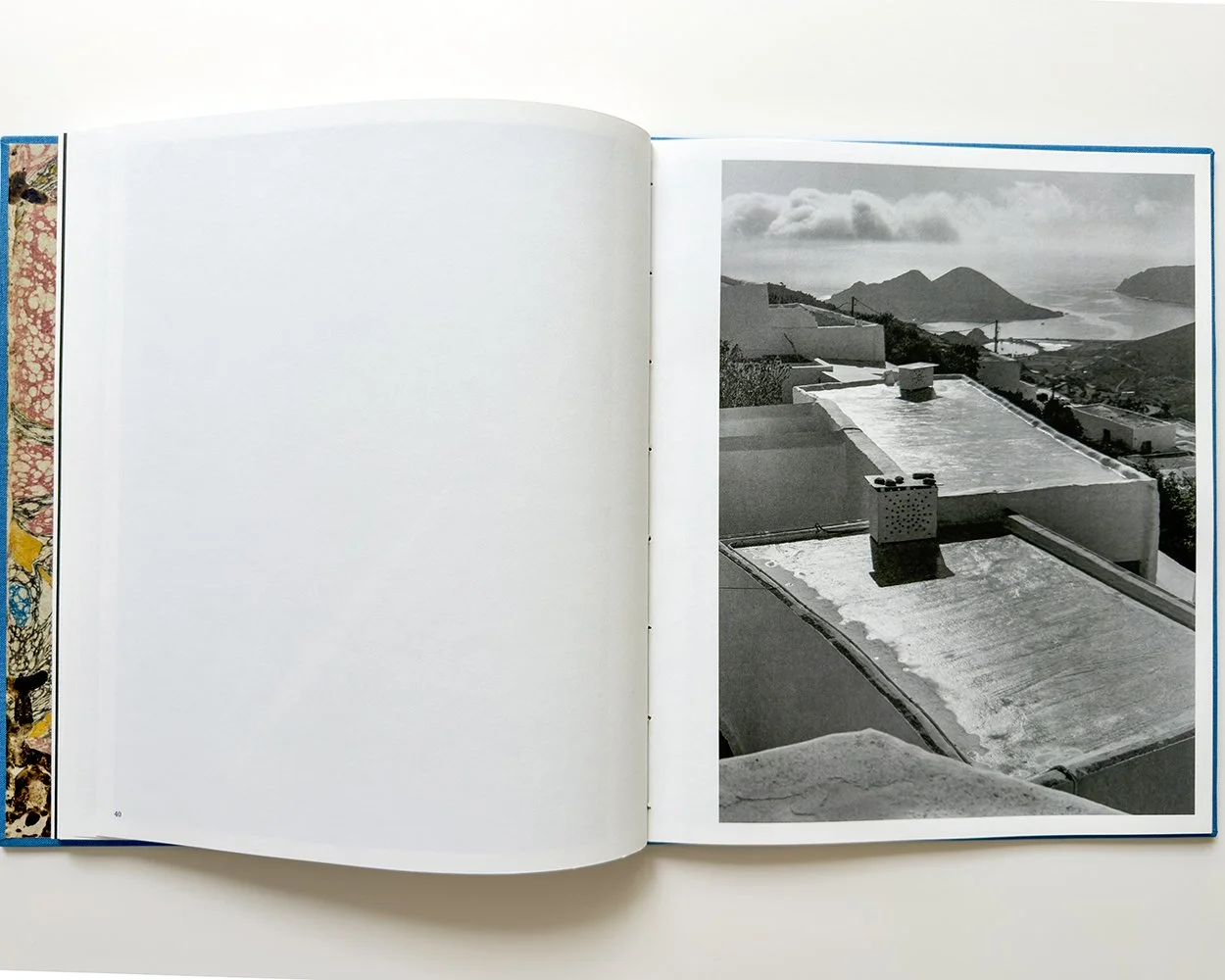 Image 12 of 15
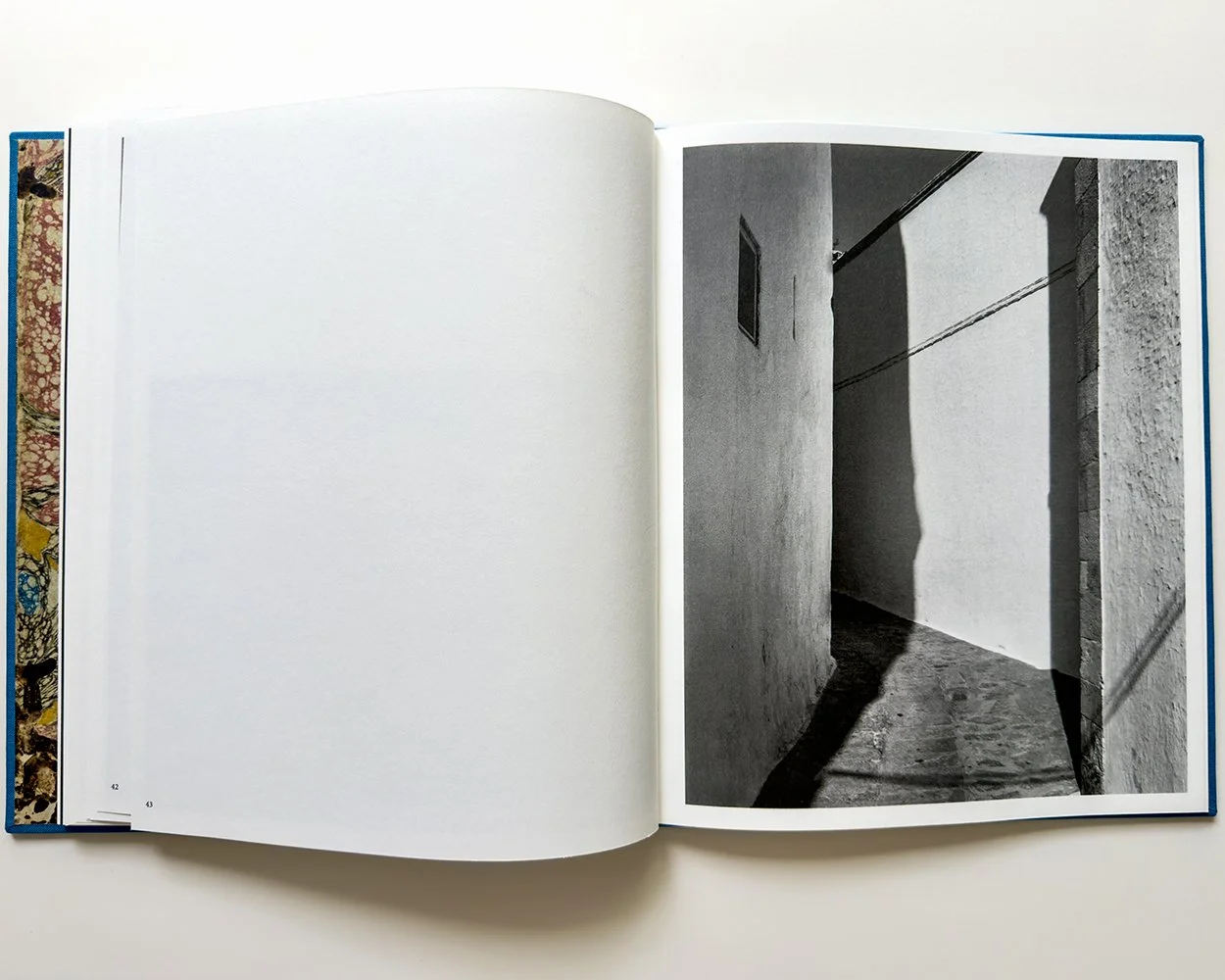 Image 13 of 15
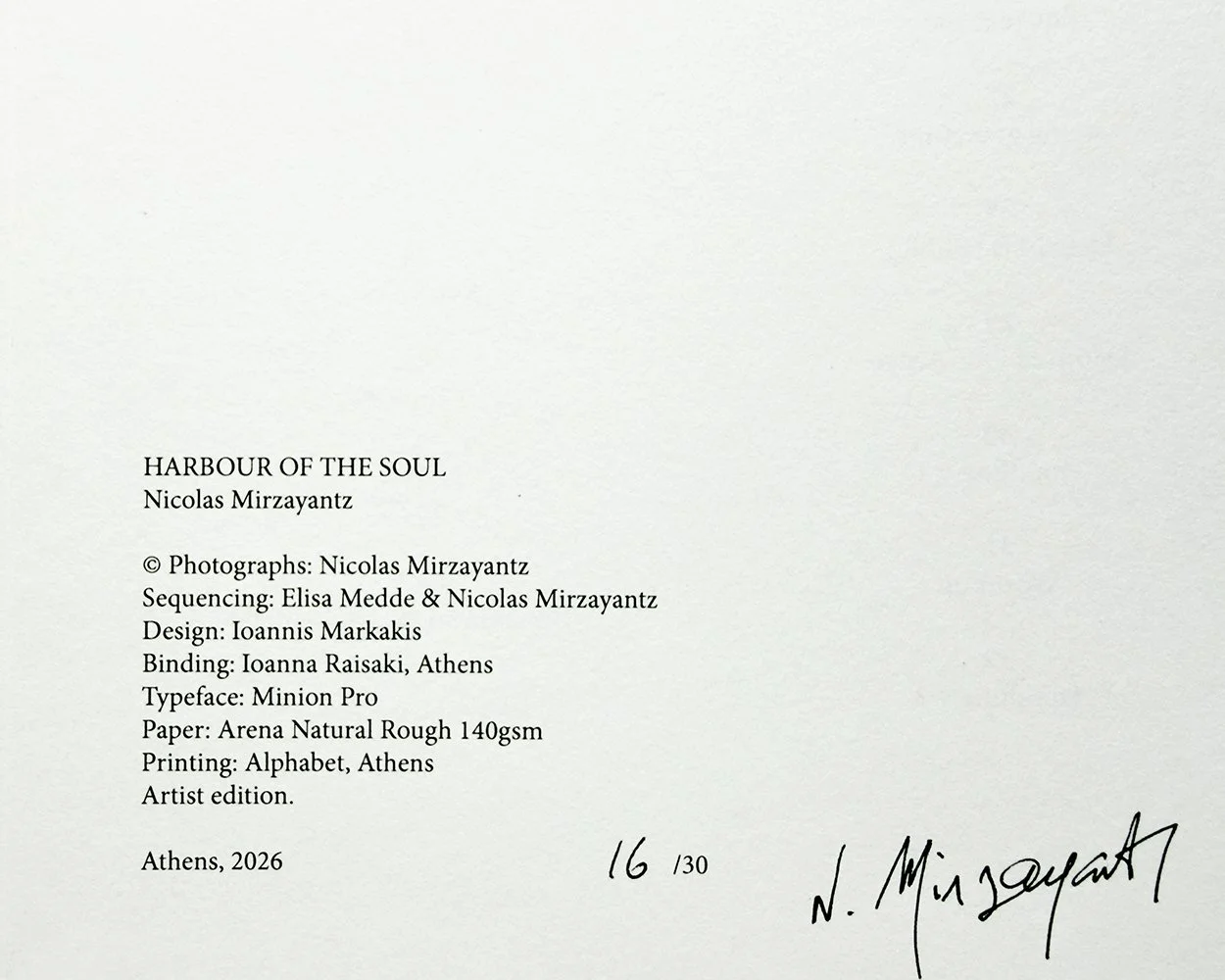 Image 14 of 15
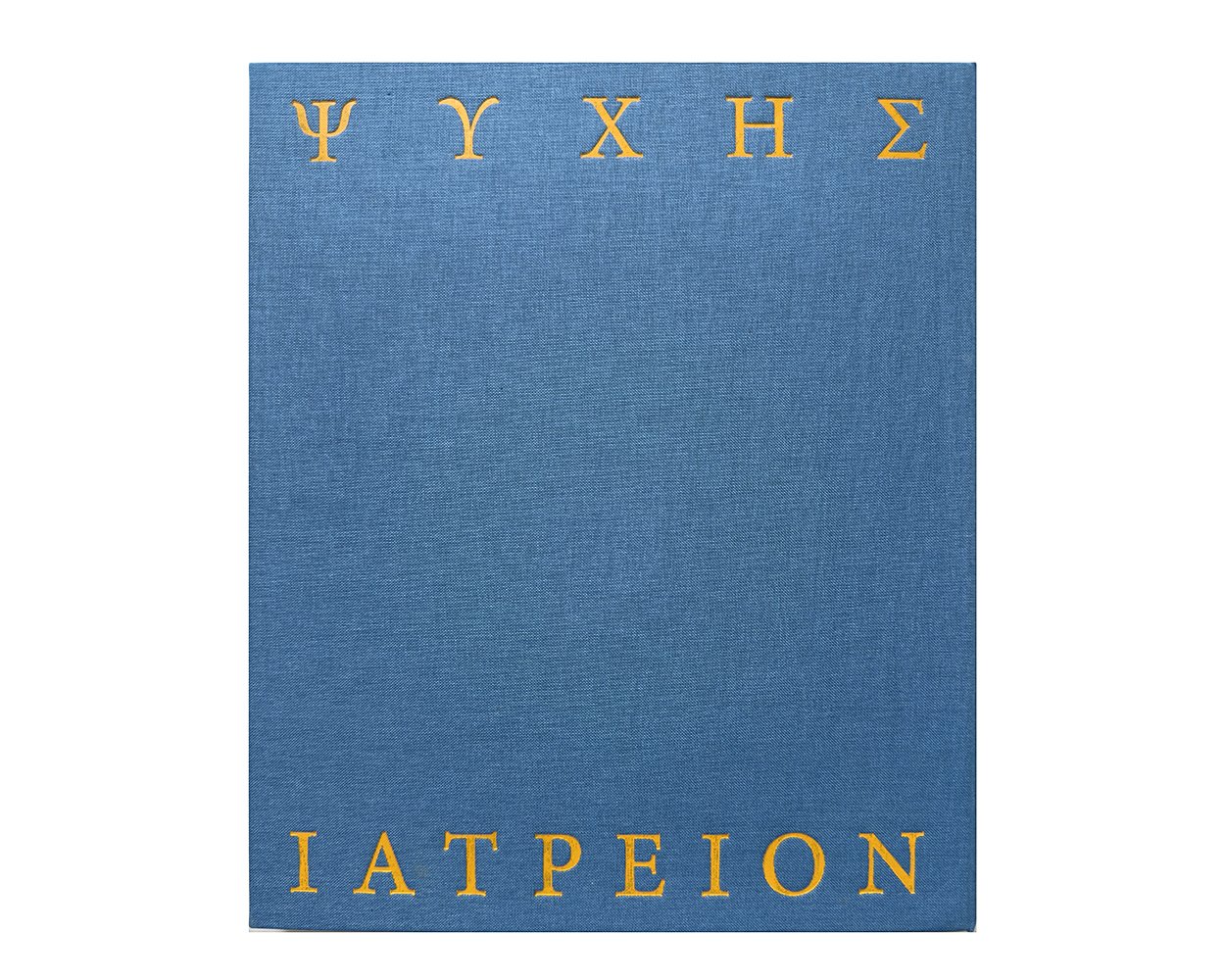 Image 15 of 15